

You’ve made spaghetti carbonara before. You’ve followed the classic rules. But I bet it’s never tasted like it does in a Roman trattoria. That silky, rich, and deeply savory sauce can feel just out of reach.
This guide to Spaghetti Carbonara Simple Dinner Ideas holds the key. It’s not about adding cream. It’s about one transformative technique with a humble ingredient. Ready to unlock the secret?
I’ve spent years perfecting this method. It turns a simple pasta with bacon and eggs into a gourmet dinner that will genuinely impress. Let’s get into it.
Recipe Overview
This is your blueprint for the ultimate Roman pasta. It’s deceptively simple, but the technique is everything.
- Cuisine: Italian
- Category: Dinner, Main Course
- Prep Time: 10 minutes
- Cook Time: 15 minutes
- Total Time: 25 minutes
- Servings: 4
The Secret Ingredient That Makes All the Difference
It’s not an ingredient you add. It’s the pasta cooking water. Specifically, the starchy, salty, almost viscous water you reserve just before draining.
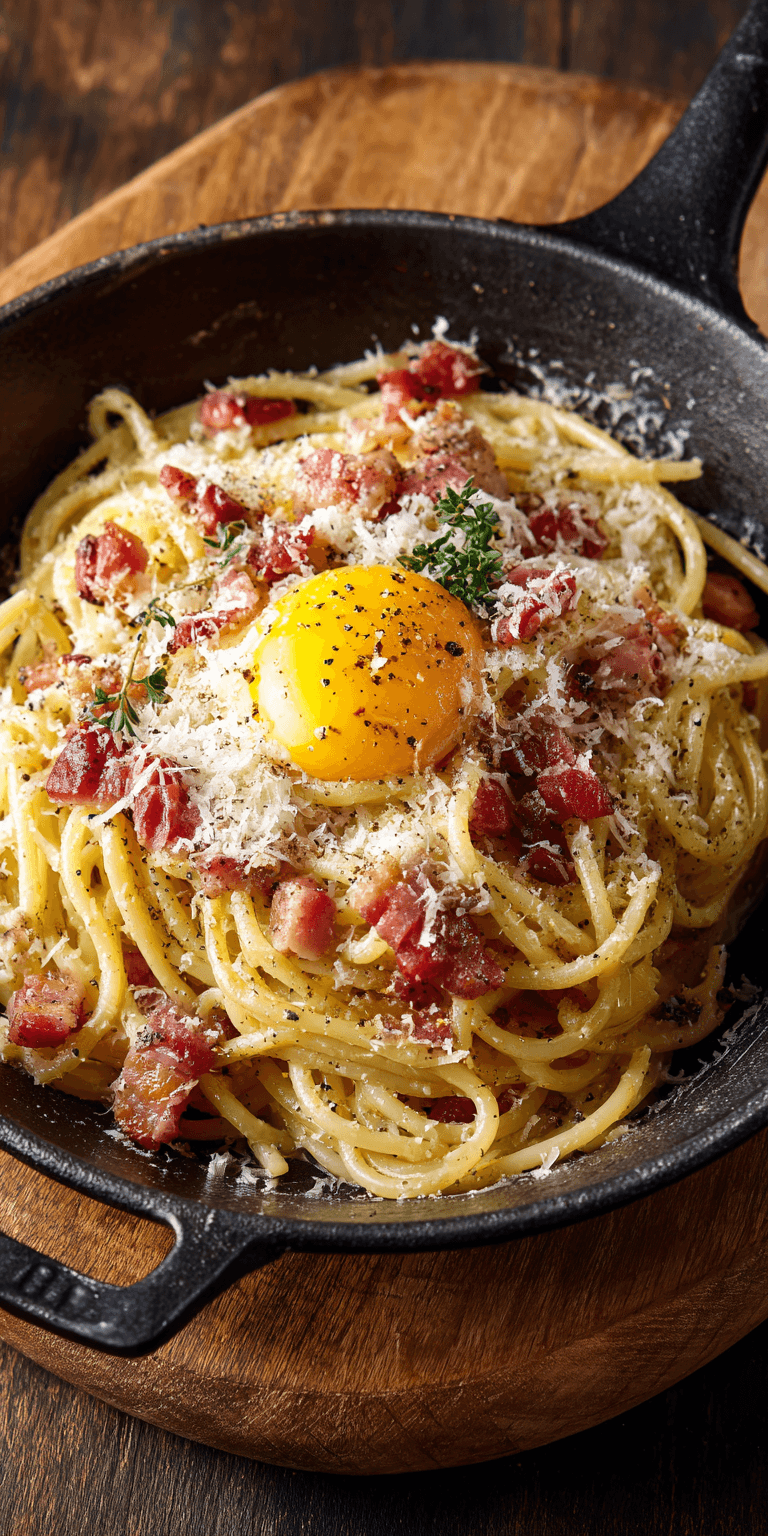
Spaghetti Carbonara Simple Dinner Ideas Recipe
The “Upgraded” Ingredient List
The Pro-Method (Step-by-Step)
Notes
Enjoy your homemade Spaghetti Carbonara Simple Dinner Ideas Recipe!
This liquid gold is your emulsifier. It binds the fat from the guanciale and the cheese with the eggs. The result is a creamy, cohesive sauce that clings to every strand. Without it, you risk scrambled eggs or a greasy, broken sauce.
Think of it as the culinary glue. It’s the non-negotiable secret to authentic texture.
Why This Method is Better (My Pro-Tips)
Most recipes have you mix everything in the bowl. We’re going to build the sauce directly in the pan. This gives you ultimate control.
You’ll use the residual heat of the pasta and the hot pan, not direct flame, to cook the eggs. This is called tempering. It’s the professional trick to a silky, not scrambled, finish.
We also focus on rendering the pork fat perfectly. That rendered fat becomes the flavorful base of our sauce. Every step builds layers of flavor.
The “Upgraded” Ingredient List
Quality matters here. These are the only six things you need. Don’t compromise.
- 1 lb (450g) high-quality spaghetti or bucatini
- 8 oz (225g) guanciale (or pancetta), diced
- 3 large whole eggs, at room temperature
- 1 large egg yolk, at room temperature
- 2 oz (about 1 cup) finely grated Pecorino Romano cheese
- 1 oz (about ½ cup) finely grated Parmigiano-Reggiano cheese
- Freshly cracked black pepper
The Pro-Method (Step-by-Step)
Follow these steps precisely. Mise en place is critical—have everything ready to go.
- Start a large pot of well-salted water boiling for the pasta.
- In a large bowl, whisk the whole eggs and extra yolk together. Whisk in all of the grated cheese and a heavy amount of black pepper until a thick paste forms. Set this near the stove.
- While the water heats, cook the diced guanciale in a large, cold skillet over medium heat. Let the fat render slowly until the pieces are crispy and golden. Turn off the heat.
- Cook the pasta in the boiling water until it is al dente. Just before draining, scoop out at least 1 ½ cups of the starchy pasta water.
- Using tongs, transfer the cooked pasta directly into the skillet with the guanciale and its fat. Toss to coat thoroughly.
- Working quickly, take the skillet off the heat. Pour about ½ cup of the hot pasta water into the egg and cheese mixture to temper it, whisking constantly.
- Immediately pour this tempered egg mixture over the hot pasta in the skillet. Toss, toss, toss vigorously. The sauce will magically emulsify. Add more pasta water a splash at a time until you achieve a luxurious, silky sauce that coats the pasta.
- Serve immediately in warm bowls with a final shower of extra cheese and pepper.
Common Mistakes & How to Fix Them
Even pros make errors. Here’s how to avoid the big ones.
Scrambled Eggs: This happens from too much heat. Always remove the pan from the burner before adding the egg mixture. The residual heat is enough. If it starts to look grainy, add a splash of cold pasta water and toss like crazy.
A Dry, Clumpy Sauce: You didn’t use enough pasta water. Don’t be shy. The sauce should look too loose in the pan—it tightens up on the plate. Keep adding water and tossing until it moves fluidly.
Greasy, Separated Sauce: This means your emulsion broke. The fat wasn’t properly incorporated. The fix? Add a tablespoon of cold pasta water and agitate the pan vigorously to re-emulsify everything.
Variations for the Adventurous Cook
Once you’ve mastered the classic, play with these pro-level twists.
Swap guanciale for smoked pancetta or even thick-cut, high-quality bacon. The smoke adds a fantastic depth. You could also add a single, lightly beaten egg yolk to the center of each serving plate for an extra-rich “carbonara al biso.”
For a spring version, fold in fresh blanched peas with the pasta. Or finish with a whisper of lemon zest to cut the richness. These are my personal chef secrets for keeping the dish exciting.
Nutrition Notes
This is a rich, indulgent dish. Enjoy it as such. Here’s a rough per-serving breakdown.
- Calories: ~750
- Protein: 30g
- Carbohydrates: 85g
- Fat: 35g
- Saturated Fat: 15g
Your Pro-Level Questions Answered
These are the questions I get from cooks who want to level up.
Can I make carbonara ahead of time?
Absolutely not. This dish lives and dies in the 60 seconds it comes together. It must be served immediately. Prep your ingredients, but cook only when you’re ready to eat.
Why two types of cheese?
Pecorino Romano is traditional and provides a sharp, salty punch. Parmigiano-Reggiano adds a nutty, umami sweetness and helps create a smoother melt. The blend is perfection.
Is there a substitute for guanciale?
Pancetta is the closest authentic substitute. If you must use bacon, choose a thick-cut, lightly smoked variety. Blanch it in boiling water for a minute first to remove excess smoke and sugar.
A Few Final Secrets
Warm your serving bowls. It makes a difference. A cold bowl will cause the sauce to seize up too quickly on the plate.
Use a microplane for the cheese. It should be a fine snow, not gritty shreds. This ensures it melts seamlessly into the sauce. Finally, grind your pepper fresh and generously—it’s not just seasoning; it’s a core flavor.
This isn’t just another pasta carbonara recipe. It’s a masterclass in technique. That silky, restaurant-quality sauce is now in your hands. You have the real Roman secrets.
Now, I need to hear from you. Did the pasta water trick change everything? Did you try a variation? Share your results, your tweaks, and your questions in the comments below. Let’s build a community of carbonara masters. And if you loved this guide, please rate it—it helps other passionate cooks find these secrets!