
Want a dinner that feels like a restaurant splurge but costs less than a takeout pizza? I’m right there with you. My Baked Sea Bass with Lemon & Dill is my go-to secret for a meal that’s both impressive and incredibly kind to my wallet.
This dish proves you don’t need expensive ingredients to eat well. It’s all about simple, fresh flavors that do the heavy lifting. We’re talking light, flaky fish, bright lemon, and fragrant herbs coming together in one pan.
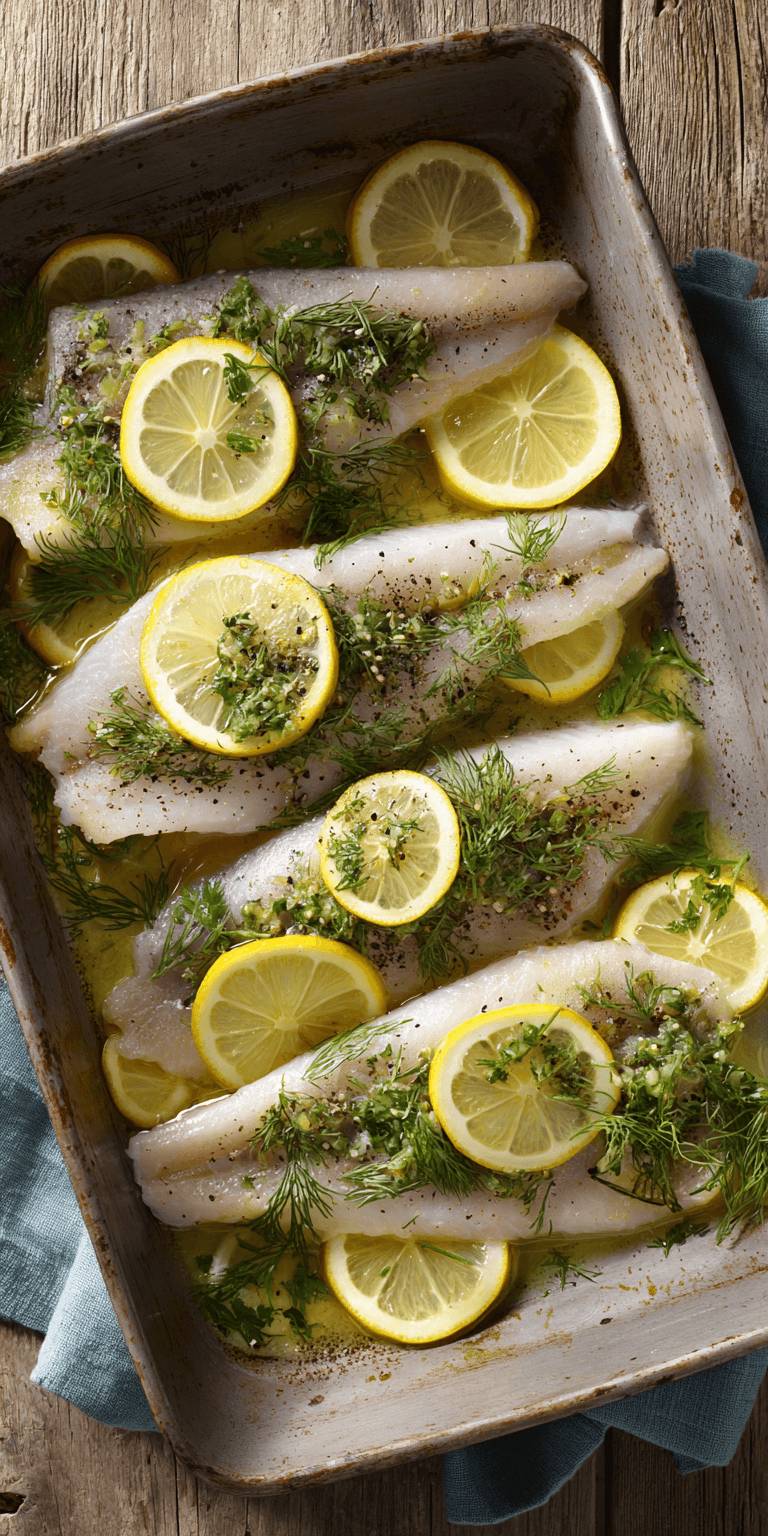
It’s the kind of healthy Mediterranean dinner you can make any night of the week. Let me show you how to make this simple dinner a regular part of your rotation without breaking the bank.
Recipe Overview
Here’s the quick snapshot of what we’re making today. It’s as straightforward as it gets.
- Cuisine: Mediterranean
- Category: Main Course
- Prep Time: 10 minutes
- Cook Time: 15-20 minutes
- Total Time: 25-30 minutes
- Servings: 2 (easily doubled!)
Why This Recipe Saves You Money
I build my recipes around a budget-first mindset. This one is a champion for several smart reasons.
First, sea bass fillets are often more affordable than other popular white fish like halibut or sole. You get that same delicate texture for less. The recipe uses a minimal number of ingredients, each with a clear purpose.
There’s no fancy sauce requiring expensive cream or specialty cheeses. The flavor comes from pantry staples like lemon, garlic, and olive oil. It also cooks quickly, which saves on your energy bill compared to long, slow-roasted dishes.
Baked Sea Bass with Lemon & Dill Recipe
The Budget-Friendly Ingredient List
How to Make It (Step-by-Step)
Notes
Enjoy your homemade Baked Sea Bass with Lemon & Dill Recipe!
Best of all, it’s incredibly satisfying. A good portion of protein and healthy fats means you’re less likely to need costly sides or snacks later. It’s a complete, nourishing meal in one dish.
My Tips for Smart Shopping on a Budget
Getting the best price is a skill. Over the years, I’ve learned a few tricks that make a huge difference.
For the fish, don’t shy away from the freezer aisle. Frozen sea bass fillets are often flash-frozen at peak freshness and cost significantly less than fresh. Just thaw them in the fridge overnight.
If fresh dill isn’t on sale, it’s okay. A teaspoon of dried dill works in a pinch for the bake. For that fresh herbal punch, I’ll sometimes use a little fresh parsley from my window sill as a garnish instead.
Buy lemons in bulk when they’re on sale. You can zest and juice them, then freeze the juice in ice cube trays for future recipes. A little lemon goes a long way to brighten up any dish.
Finally, shop with the seasons. When zucchini or cherry tomatoes are cheap, toss them in the pan with the fish for a complete sheet-pan meal.
The Budget-Friendly Ingredient List
Every item here has a job. You probably have most of this already.
- 2 sea bass fillets (about 6 oz each), skin-on or off
- 1 large lemon
- 2 tablespoons olive oil
- 2 cloves garlic, minced
- 2 tablespoons fresh dill, chopped (or 1 tsp dried)
- Salt and black pepper to taste
- Optional: Thin lemon slices for garnish
How to Make It (Step-by-Step)
This method is foolproof. We’re using a high heat to get perfectly cooked fish without any fuss.
- Start by heating your oven to 400°F (200°C). This high heat will cook the fish quickly and give the edges a nice touch.
- Pat the sea bass fillets completely dry with paper towels. This is a crucial step for getting a nice result, not a steamed one.
- In a small bowl, mix the olive oil, minced garlic, juice of half the lemon, and most of the chopped dill. Reserve a little dill for garnish.
- Place the fish fillets in a baking dish just big enough to hold them. Drizzle the lemon-garlic oil all over the fillets, making sure to coat them well.
- Season both sides generously with salt and black pepper. If using, place a couple of thin lemon slices on top of each fillet.
- Bake for 15-20 minutes. The fish is done when it flakes easily with a fork and is opaque all the way through. Baking time depends on the thickness of your fillets.
- Remove from the oven and sprinkle with the remaining fresh dill. Serve immediately with the pan juices spooned over the top.
How to Use Up Every Last Bit (No Waste!)
I hate throwing food away. Here’s how to make sure every scrap from this recipe gets used.
That leftover half lemon? Squeeze it into a glass of water for the next day, or use it to clean your cutting board. Lemon is a natural deodorizer and cleaner.
If you have extra fresh dill, chop it finely and mix it into softened butter with a little lemon zest. Roll it into a log in parchment paper and freeze. You’ll have instant compound butter for fish, potatoes, or bread.
The olive oil and lemon juice mixture left in the baking dish is liquid gold. Don’t wash it down the sink! Use it as a base for a quick salad dressing or drizzle it over steamed vegetables or rice.
If you bought a bunch of dill and can’t use it all, chop it and freeze it in a single layer on a tray before transferring to a bag. It won’t be perfect for garnish, but it will still be great for cooking.
Nutrition Notes
This is food that makes you feel good. It’s packed with high-quality protein and healthy fats.
- High in lean protein from the sea bass.
- Rich in omega-3 fatty acids, which are great for heart health.
- Low in carbohydrates, making it a great option for many eating styles.
- Provides vitamin C from the fresh lemon.
- Uses healthy fats from olive oil.
Common Questions About This Recipe
I get a few questions about this dish all the time. Here are the answers to make your life easier.
Can I use a different type of fish?
Absolutely. The method works for any similar white fish fillet. Try it with cod, haddock, or tilapia. Just keep an eye on the baking time, as thinner fillets will cook faster.
What should I serve with this baked sea bass?
Keep it simple and budget-friendly. I love it with a side of rice pilaf, roasted baby potatoes, or a quick green salad. Steamed asparagus or green beans also pair beautifully and add a pop of color.

How do I know when the fish is perfectly cooked?
The best test is the flake test. Gently press a fork into the thickest part of the fillet and twist slightly. The fish should separate easily into clean flakes and look opaque, not translucent.
This recipe is proof that eating well doesn’t require a fancy budget. It requires a little know-how and a focus on flavor. A few humble ingredients can create a meal that feels special and tastes incredible.
I make this at least twice a month because it’s reliable, fast, and always gets compliments. It’s my definition of a smart, savvy weeknight win.
I’d love to hear how it turns out for you! Let me know your own money-saving twists for this recipe in the comments below! Please leave a rating!