
I published this recipe for Traditional Corned Beef with Horseradish Cream a few years ago after a St. Patrick’s Day near-disaster. I had simmered my brisket for hours, but it was tough. The flavor was flat. I was so disappointed.
That failure sent me on a mission. I talked to butchers and read old cookbooks. I found a simple, forgotten trick that changed everything. It’s not about fancy ingredients. It’s about patience and one key step.
Now, this meal is my ultimate comfort food. It fills the house with the most incredible smell. It’s a project, but a deeply rewarding one. Let me show you how I make it.
Recipe Overview
- Cuisine: Irish-American
- Category: Main Course
- Prep Time: 15 minutes
- Cook Time: 3 hours
- Total Time: 3 hours 15 minutes
- Servings: 6-8 people
Why This Recipe is So Special
What makes this recipe stand out is the method. Most recipes just say to boil the beef. I learned to start it in cold water and bring it to a very gentle simmer.
This slow heating is the secret. It gently draws out excess salt from the curing process. It keeps the meat incredibly tender and juicy. You get perfect flavor in every bite.
The horseradish cream is my bright, zippy twist. It cuts through the rich beef beautifully. It’s so much better than anything from a jar.
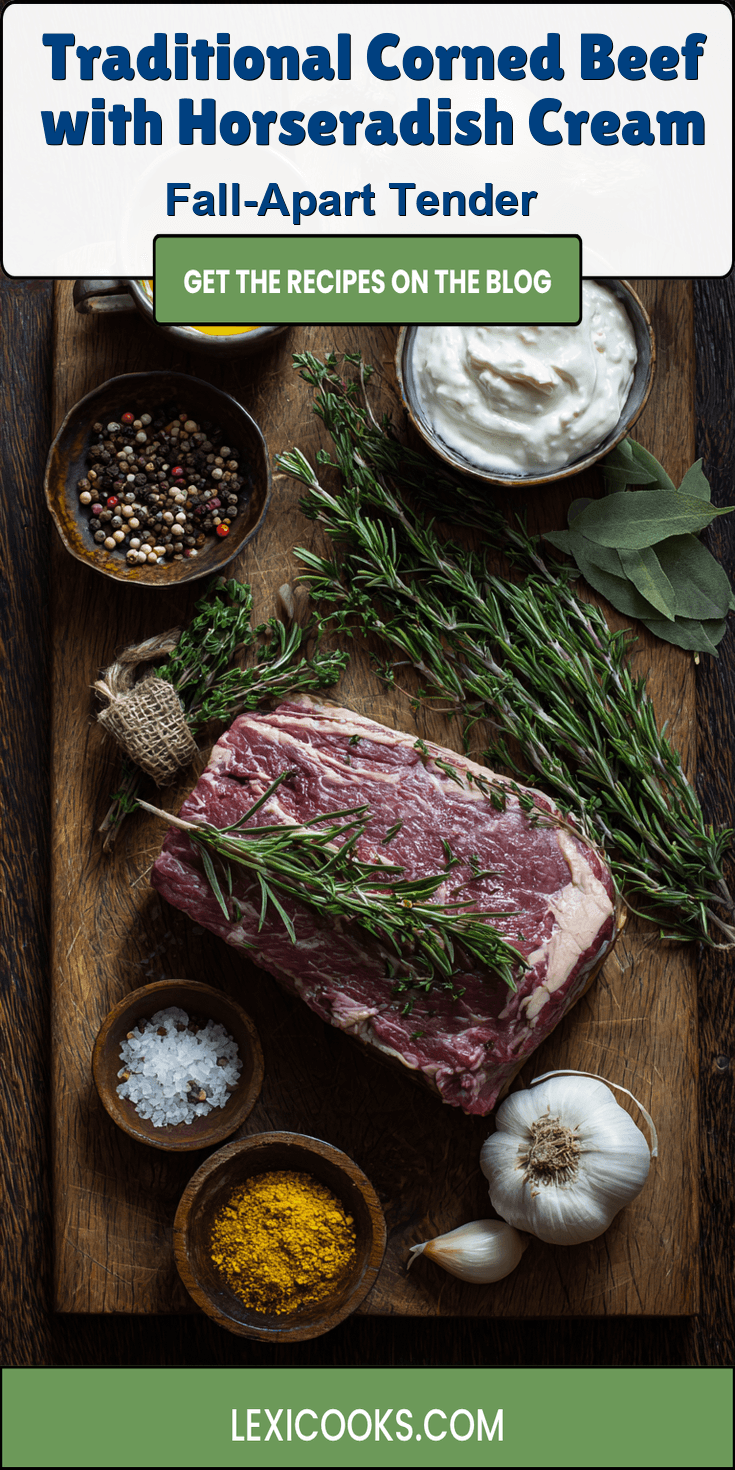
Traditional Corned Beef with Horseradish Cream Recipe
The Full Ingredient List
My Step-by-Step Method
Notes
Enjoy your homemade Traditional Corned Beef with Horseradish Cream Recipe!
The Full Ingredient List
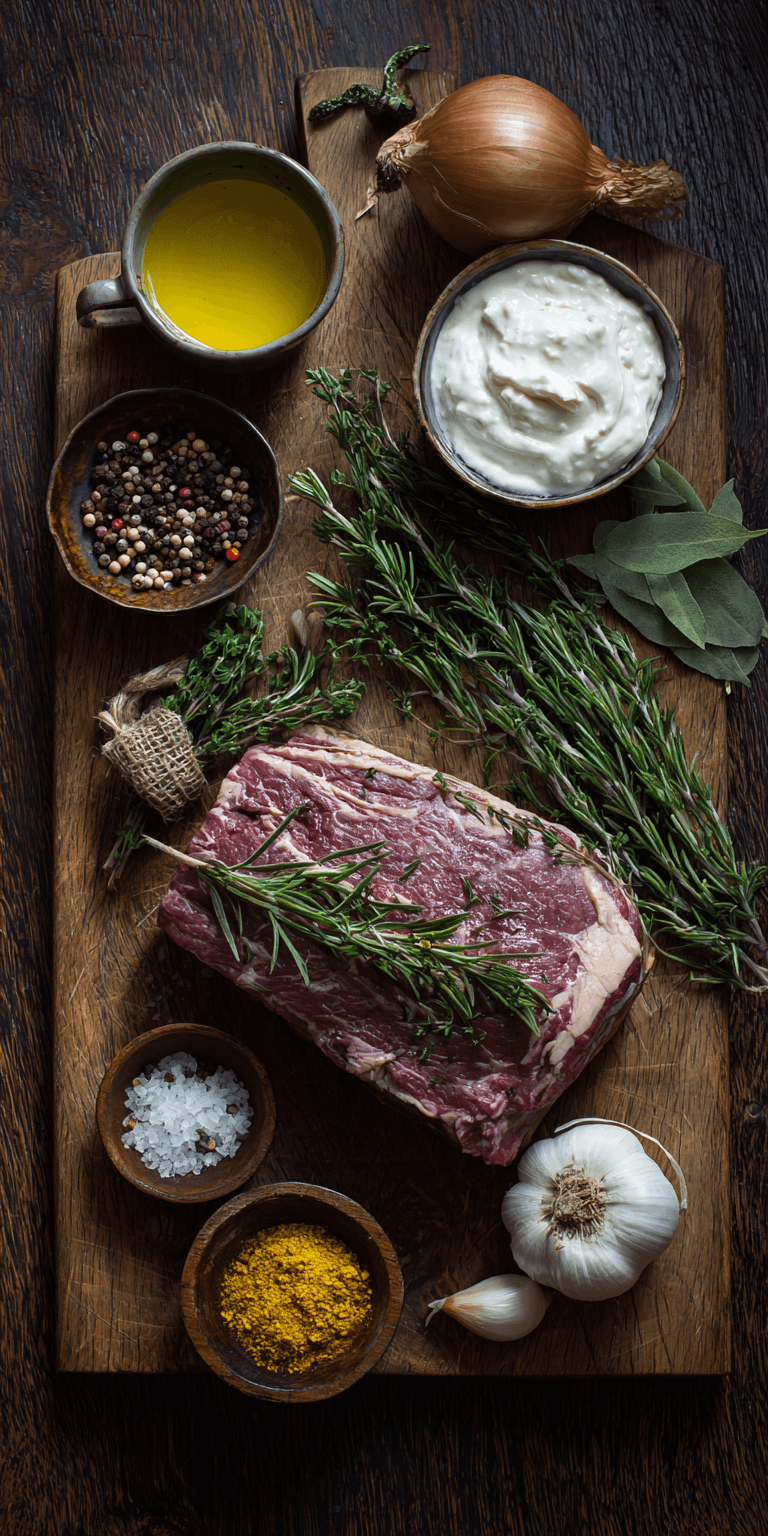
Gathering everything is the first step to a great meal. Here’s what you’ll need. The spice packet usually comes with the brisket, but I add a few extras.
- 1 (4-5 pound) raw corned beef brisket, with spice packet
- 2 yellow onions, peeled and quartered
- 4 large carrots, cut into 3-inch chunks
- 4 large russet potatoes, peeled and quartered
- 1 small head of green cabbage, cut into 6 wedges
- 1 bottle (12 oz) dark beer or stout (optional, but great for flavor)
- Cold water, to cover
For the Horseradish Cream:
- 1 cup sour cream
- 3-4 tablespoons prepared horseradish (adjust to your taste!)
- 1 tablespoon fresh lemon juice
- 2 tablespoons chopped fresh chives
- 1/4 teaspoon black pepper
- A tiny pinch of salt
My Step-by-Step Method
Follow these steps and you really can’t go wrong. The most important part is to not rush the simmering. Let’s get started.
- Take the brisket from its package. Rinse it well under cold water. This removes some surface salt. Place it in your largest pot or Dutch oven.
- Scatter the onions and carrots around the beef. Empty the contents of the spice packet over everything. Pour in the beer, if using.
- Now, add enough cold water to just cover the meat by about an inch. This is key. Starting cold helps control the saltiness.
- Place the pot, uncovered, over high heat. Bring it just to a boil. Then, immediately reduce the heat to the lowest setting. You want the barest simmer, with just a few tiny bubbles.
- Cover the pot, leaving the lid slightly ajar. Let it simmer gently for 2 hours. Do not let it boil hard. This low and slow cook keeps it tender.
- After 2 hours, add the potato chunks. Push them down into the liquid. Cover again and cook for another 30 minutes.
- Finally, add the cabbage wedges. Cook for the last 20-30 minutes, until the cabbage is soft and the beef is fork-tender.
- While the beef finishes, make the horseradish cream. Simply stir all the cream ingredients together in a bowl. Let it sit so the flavors can blend.
- Carefully remove the beef to a cutting board. Let it rest for 10 minutes. This lets the juices settle back into the meat.
- Slice the beef against the grain. Serve it with the tender vegetables and a big dollop of the fresh horseradish cream.
My Top Tips for Success
- Always start with cold water. It makes a huge difference in the final salt level and texture of your beef.
- Don’t skip the resting time after cooking. Slicing the beef right away will let all the delicious juices run out onto the board.
- For the horseradish cream, use prepared horseradish from the refrigerated section, not the shelf-stable kind. The flavor is much brighter and sharper.
- If your brisket seems extra salty after cooking, you can slice it and let it sit in a bit of the hot cooking liquid for a few minutes. This can help mellow it.
Common Mistakes to Avoid
The biggest mistake is boiling the beef too hard. A rolling boil will make the meat tough and stringy. Keep that heat low for a gentle simmer.
Another common error is slicing with the grain. This makes the meat chewy. Find the direction of the muscle fibers and cut straight across them for tender slices.
Finally, don’t add the cabbage too early. It cooks much faster than the beef and potatoes. Adding it last keeps it from becoming a mushy, overcooked mess.
NUTRITION INFORMATION
- Calories: 520 kcal
- Carbohydrates: 32g
- Protein: 32g
- Fat: 28g
- Saturated Fat: 9g
- Cholesterol: 115mg
- Sodium: 1780mg
- Fiber: 6g
- Sugar: 8g
FREQUENTLY ASKED QUESTIONS
Can I make this in a slow cooker?
Absolutely! Place the rinsed brisket, spices, onions, and carrots in the pot. Add the beer and enough water to cover. Cook on LOW for 8-9 hours. Add potatoes and cabbage in the last 2 hours.
What if I can’t find a brisket with a spice packet?
No problem! Make your own. Combine 1 tablespoon whole peppercorns, 2 bay leaves, 1 tablespoon mustard seeds, and 1 teaspoon whole allspice berries. This mix works perfectly.
How should I store leftovers?
Store the sliced beef and vegetables separately from the broth in airtight containers. They’ll keep for 3-4 days in the fridge. The horseradish cream lasts about a week.
Leave a Reply! (I’d Love to Hear From You!)
This recipe is a real labor of love for me. I shared my hard-learned trick so you can get it right the first time. Did your family go crazy for the horseradish cream? Did the gentle simmer make your beef extra tender? Tell me all about your experience in the comments below! Your stories and questions are my favorite part of this blog.