
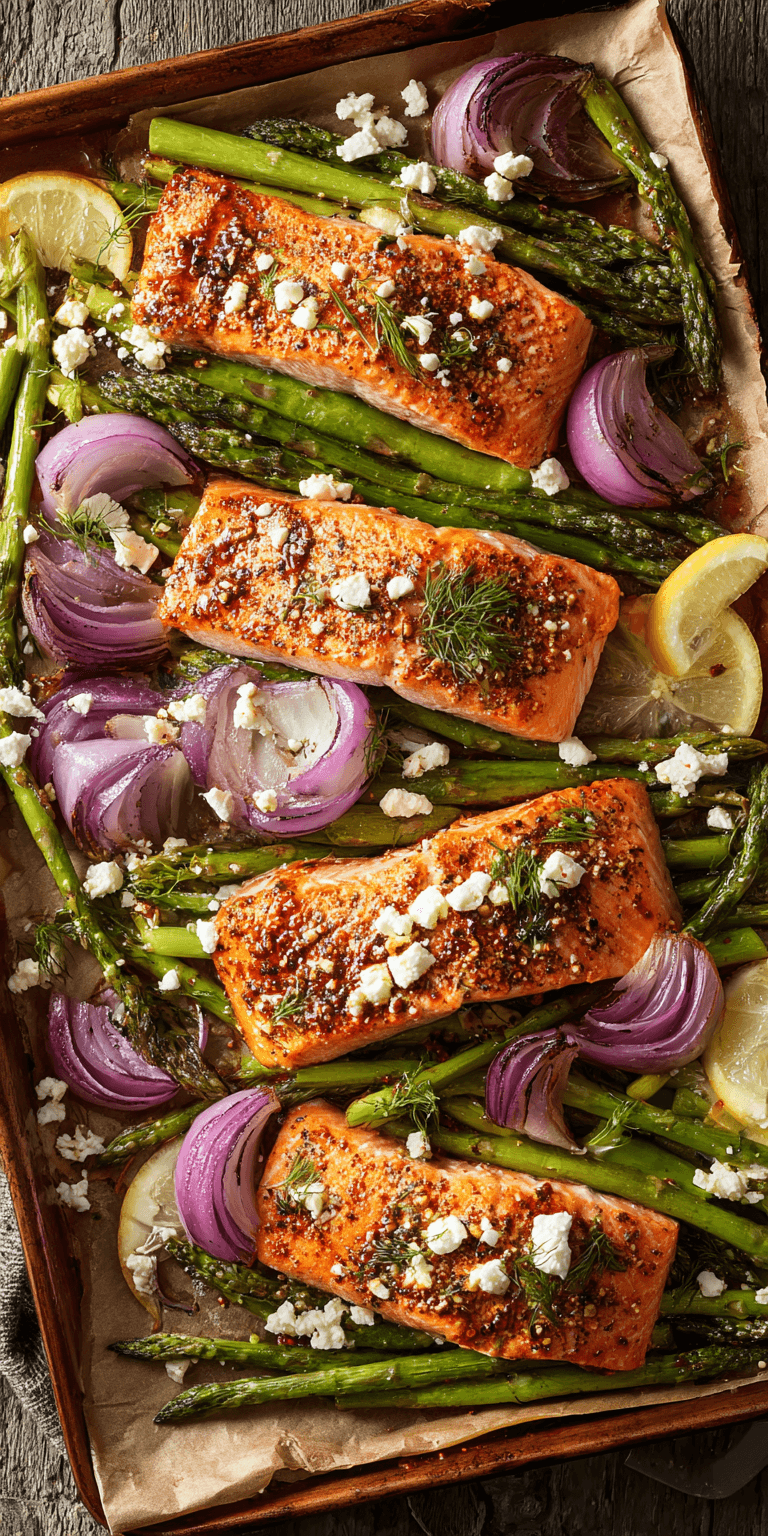
Want a dinner that feels like a restaurant splurge but costs less than a fast-food run? I live for these moments. This Mediterranean Sheet Pan Salmon with Asparagus & Feta is my go-to trick for a healthy, stunning meal that won’t break the bank.

You don’t need expensive ingredients to eat well. In fact, some of the most flavorful food comes from simple, smart combinations. This recipe proves that point beautifully.
We’re talking juicy salmon, crisp asparagus, and tangy feta all roasted together on one pan. It’s a complete, healthy dinner with almost no cleanup. Let’s get into how this dish makes your wallet and your taste buds happy.
Recipe Overview
Here’s the quick look at what you’re making. It’s straightforward and designed for a busy weeknight.
- Cuisine: Mediterranean
- Category: Healthy Dinner
- Prep Time: 10 minutes
- Cook Time: 15 minutes
- Total Time: 25 minutes
- Servings: 4
Why This Recipe Saves You Money
I build my recipes around a few key money-saving principles. This one hits all the marks perfectly.
First, it uses one single sheet pan. That means less energy used by your oven and no extra dishes to wash. You save on utilities and dishwasher soap.
Mediterranean Sheet Pan Salmon with Asparagus & Feta Recipe
The Budget-Friendly Ingredient List
How to Make It (Step-by-Step)
Notes
Enjoy your homemade Mediterranean Sheet Pan Salmon with Asparagus & Feta Recipe!
Second, the ingredient list is short and purposeful. There’s no fancy sauce or obscure spice. Every item has a job and gets fully used.
Finally, salmon can be pricey, but buying a larger fillet and portioning it yourself is much cheaper than individual cuts. Pairing it with affordable asparagus and a block of feta you can crumble stretches the protein further.
My Tips for Smart Shopping on a Budget
These are the habits that keep my grocery bill low, week after week. They make a huge difference.
For this recipe, buy frozen salmon if it’s on sale. The quality is often excellent, and it’s usually more affordable than fresh. Just thaw it in the fridge overnight.
Purchase feta in a block, not pre-crumbled. You get more for your money, and it tastes better. A block also lasts longer in your fridge.
Choose asparagus that’s in season (spring) for the best price. If it’s expensive, swap in broccoli florets or green beans. The recipe is very forgiving.
Grow your own herbs if you can. A small pot of oregano or dill on a windowsill costs very little and provides endless fresh flavor.
The Budget-Friendly Ingredient List
Here’s everything you need. Check your pantry first—you might already have most of it.
- 1.5 pounds salmon fillet, skin-on or skinless
- 1 bunch of asparagus (about 1 lb), tough ends snapped off
- 1 lemon
- 4 tablespoons olive oil
- 3 cloves garlic, minced
- 1 teaspoon dried oregano
- 1/2 teaspoon salt
- 1/4 teaspoon black pepper
- 4 ounces feta cheese, crumbled
- Fresh dill or parsley for garnish (optional)
How to Make It (Step-by-Step)
This method is all about efficiency. We’ll layer flavors and cook everything at once for maximum ease.
- Start by heating your oven to 400°F (200°C). Line a large sheet pan with parchment paper for the easiest cleanup.
- Place the salmon in the center of the pan. Pat it dry with a paper towel. This helps the skin get crispy if you’re using skin-on.
- Arrange the asparagus spears around the salmon in a single layer. Try not to overcrowd them so they roast instead of steam.
- In a small bowl, whisk together the olive oil, minced garlic, dried oregano, salt, and pepper. This is your flavor-packed marinade.
- Drizzle about two-thirds of this oil mixture over the salmon and asparagus. Use your hands to toss the asparagus so it’s well coated. Rub the rest onto the top of the salmon fillet.
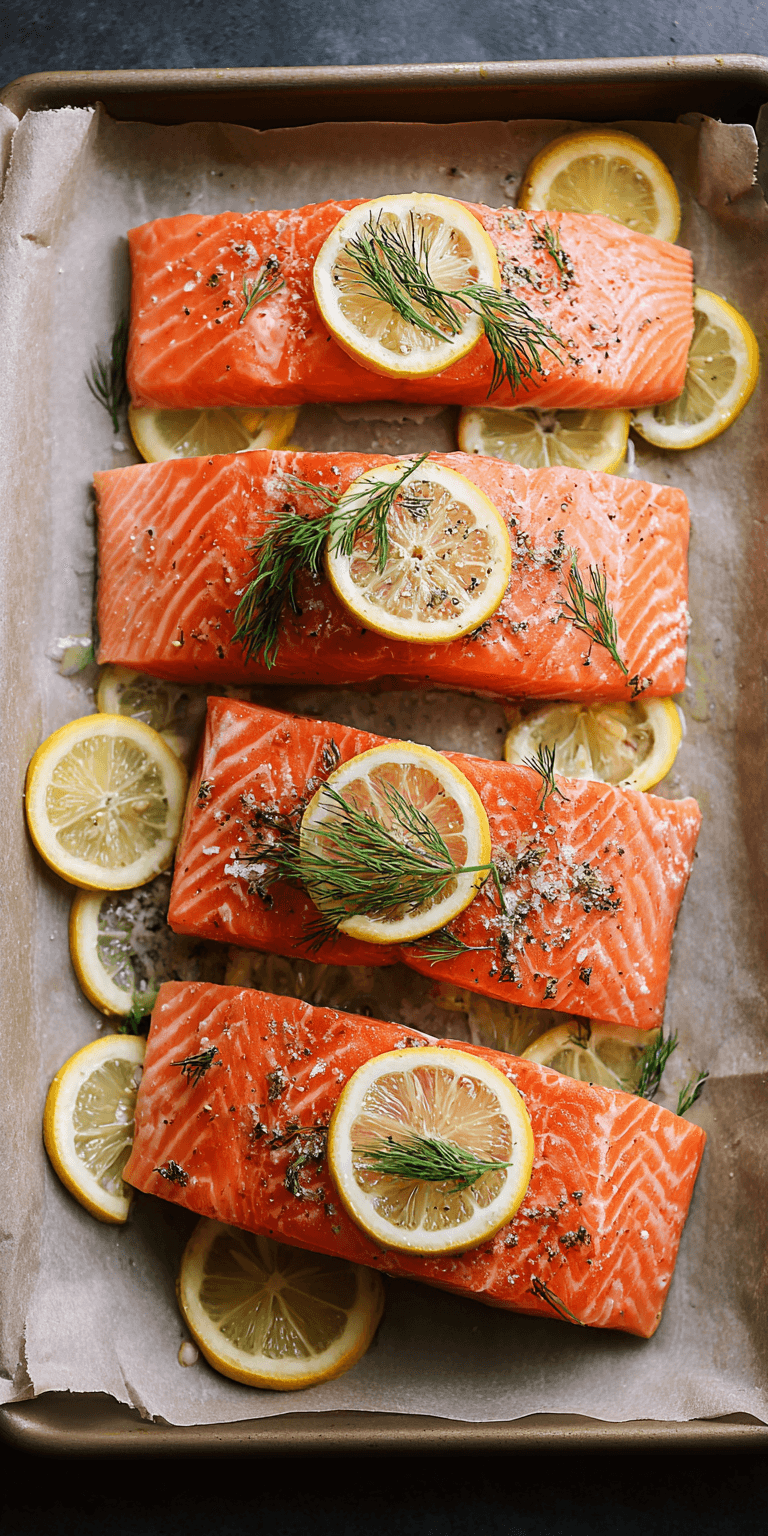
- Thinly slice half the lemon. Lay the slices on top of the salmon fillet. We’ll use the other half for juice later.
- Roast for 12-15 minutes. The salmon should flake easily with a fork, and the asparagus should be tender-crisp.
- Remove the pan from the oven. Immediately sprinkle the crumbled feta cheese over the hot asparagus and salmon. The residual heat will soften it perfectly.
- Squeeze the juice from the remaining lemon half over everything. Garnish with fresh herbs if you have them. Dinner is served right from the pan!
How to Use Up Every Last Bit (No Waste!)
I hate throwing food away. Here’s how to make sure every scrap from this meal gets a second life.
Save any leftover salmon and asparagus. Chop it up and toss it with cold pasta or quinoa for a fantastic lunch salad the next day.
If you have extra feta, crumble it over scrambled eggs or a simple Greek salad. It also freezes well for future use in cooked dishes.
Don’t toss the tough ends of the asparagus! Save them in a freezer bag. Once you have a handful, simmer them with onion and herbs to make a simple, flavorful vegetable broth.
The lemon rinds can go down your garbage disposal with some ice to clean and freshen it. Or, dry them and add them to homemade cleaning vinegar.
Nutrition Notes
This meal isn’t just kind to your budget; it’s packed with good stuff for your body. Here’s a simple breakdown.
- High-Quality Protein: Salmon provides essential omega-3 fatty acids for heart and brain health.
- Fiber & Vitamins: Asparagus is a great source of folate, vitamins A, C, and K.
- Healthy Fats: Olive oil is a cornerstone of the Mediterranean diet, linked to numerous health benefits.
- Calcium-Rich: Feta cheese adds a satisfying salty punch and a dose of calcium.
- This combination makes for a balanced plate that will keep you full and energized.
Common Questions About This Recipe
I get a few questions every time I share this recipe. Here are the answers to make your cooking foolproof.
Can I use a different vegetable?
Absolutely. This is a perfect template. Try broccoli florets, halved Brussels sprouts, or bell pepper strips. Just cut them to a similar size for even cooking.
My salmon is frozen. What should I do?
No problem. Thaw it completely in the refrigerator overnight first. Pat it very dry before seasoning. This step is key to avoid a watery result.

How do I know when the salmon is done?
The safest way is to use an instant-read thermometer. Insert it into the thickest part—it should read 145°F. Otherwise, look for the flesh to flake apart easily with a fork.
I hope this recipe shows you how accessible healthy dinner inspiration can be. With a little planning and a single sheet pan, you can make a meal that feels special any night of the week.
The beauty of this method is its flexibility. Once you master it, you can swap in different proteins and veggies based on what’s on sale. That’s how you build a sustainable, budget-friendly kitchen.
Let me know your own money-saving twists for this recipe in the comments below! Did you try a different veggie or herb? Please leave a rating!