
Some recipes just feel like a warm hug. For me, this classic Corned Beef Hash with Caramelized Onions is one of them. It takes me right back to my grandma’s kitchen, where the smell of frying potatoes and onions meant a weekend morning was about to get a whole lot better.
This dish is the perfect answer for a lazy brunch or a hearty breakfast. It’s also the best way I know to use up leftover corned beef. It turns simple ingredients into something truly special and satisfying.
I want to share my favorite, traditional way to make it. We’ll use a trusty cast iron skillet to get that perfect, crispy crust. It’s a simple, honest meal that never goes out of style.
Recipe Overview
- Cuisine: American
- Category: Breakfast/Brunch
- Prep Time: 20 minutes
- Cook Time: 40 minutes
- Total Time: 1 hour
- Servings: 4
The Story Behind This Classic Recipe
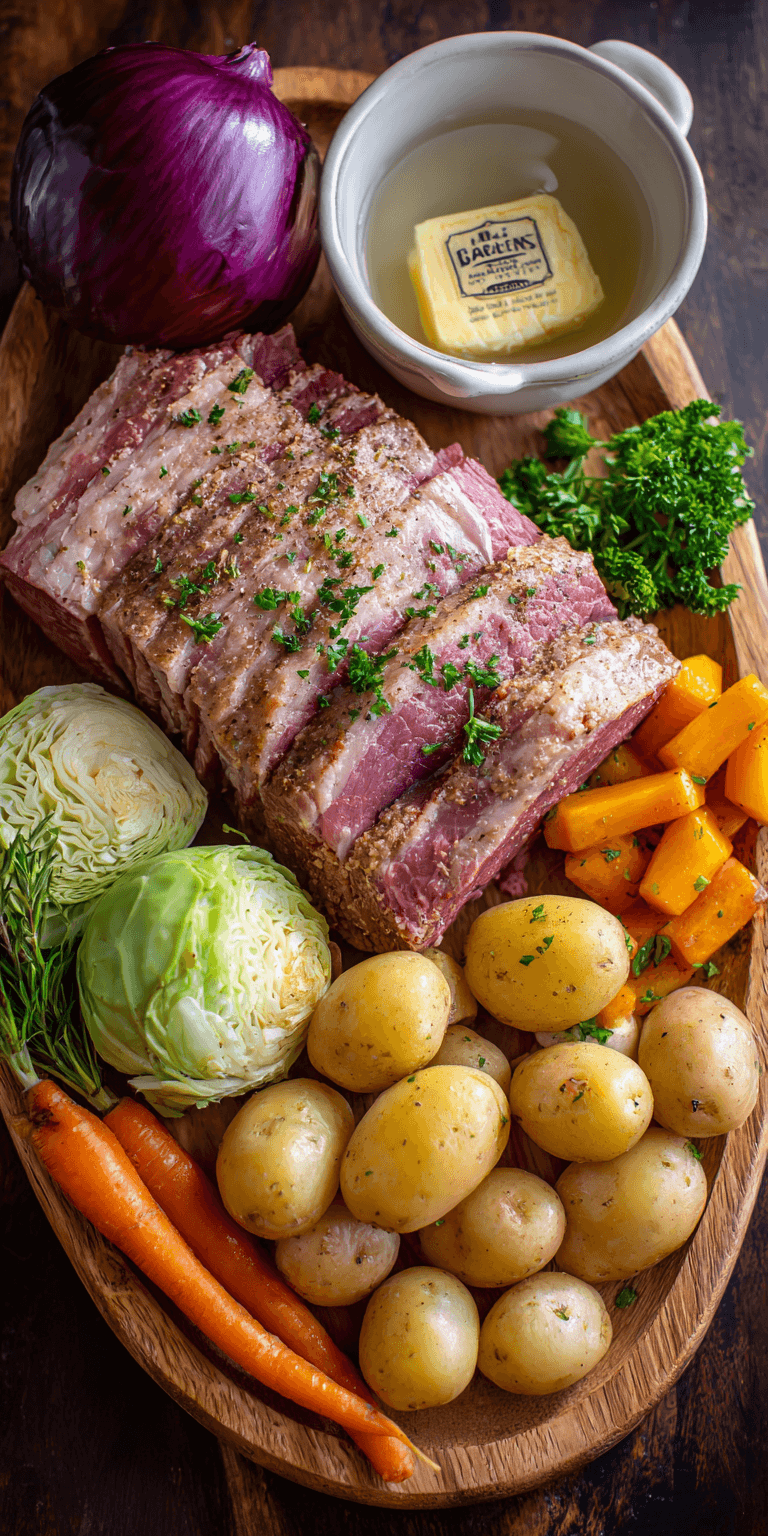
Hash has humble beginnings. It was born from the need to use up leftovers, a way to make every scrap of food count. My grandma was a master of this.
The day after St. Patrick’s Day, that leftover corned beef on her counter wasn’t a problem. It was a promise. A promise of a sizzling skillet of hash the next morning.
Corned Beef Hash with Caramelized Onions Recipe
The Classic Ingredients (No Fancy Stuff!)
How to Make It Just Like Grandma Did
Notes
Enjoy your homemade Corned Beef Hash with Caramelized Onions Recipe!
She’d add those sweet, slow-cooked onions, and the whole house would fill with the most comforting aroma. It wasn’t just food. It was a feeling of home and resourcefulness that I’ve carried with me.
What Makes This the *Traditional* Way
This isn’t a fancy, modern take. This is the real deal. The kind of recipe that relies on patience and good technique, not a long list of exotic ingredients.
The real magic comes from two things. First, taking the time to caramelize the onions properly until they’re deeply golden and sweet. Rushing this step just doesn’t work.
Second, we let the hash cook undisturbed in the skillet. This gives you that incredible, crispy, golden-brown crust on the bottom that is the heart and soul of a great hash.
The Classic Ingredients (No Fancy Stuff!)
You only need a handful of simple things. The better your corned beef, the better your hash will be, so use your favorite!
- 2 tablespoons unsalted butter
- 1 large yellow onion, thinly sliced
- 1 ½ pounds russet potatoes, peeled and diced into ½-inch cubes
- 2 tablespoons vegetable oil
- 1 pound cooked corned beef, chopped into small pieces
- 2 cloves garlic, minced
- 1 teaspoon fresh thyme leaves (or ½ teaspoon dried)
- Salt and freshly ground black pepper to taste
- Chopped fresh parsley, for garnish (optional)
- Fried or poached eggs, for serving
How to Make It Just Like Grandma Did
Grab your largest cast iron skillet. This is where the magic happens. Let’s walk through it step by step.
- First, caramelize your onions. Melt the butter in your skillet over medium-low heat. Add the sliced onions and a pinch of salt.
- Cook the onions slowly, stirring now and then, for about 25-30 minutes. They should turn a rich, golden brown. Be patient—this builds the flavor base. Transfer them to a bowl.
- While the onions cook, par-cook your potatoes. Place the diced potatoes in a pot, cover with cold water, and add a big pinch of salt. Bring to a boil, then cook for 5-6 minutes just until they start to soften at the edges. Drain well.
- Heat the vegetable oil in the same skillet over medium-high heat. Add the par-cooked potatoes in a single layer. Let them cook without moving for 5-7 minutes to get a good crust on one side.
- Stir the potatoes, then let them cook for another 5 minutes to crisp up all over. You want them golden and tender.
- Add the chopped corned beef, caramelized onions, minced garlic, and thyme to the skillet. Stir everything together gently.
- Press the mixture down firmly with your spatula. Let it cook, undisturbed, for 6-8 minutes to form that wonderful crust on the bottom.
- Carefully flip sections of the hash to crisp the other side for another 4-5 minutes. Season well with black pepper and taste for salt (the corned beef is already salty).
- Garnish with fresh parsley if you like. Serve it hot right from the skillet, topped with a perfectly fried egg.
My Tips for Perfecting This Classic
A few small things can make a big difference in your hash. Here’s what I’ve learned over the years.
First, make sure your potatoes are thoroughly dried after boiling. Wet potatoes will steam instead of fry, and you’ll miss out on that crucial crispiness.
Don’t crowd the skillet. If your pan is too small, cook in two batches. Overcrowding makes everything steam and get soggy. We want crispy and golden!
Finally, trust the process. Resist the urge to stir the hash constantly once you’ve pressed it down. That quiet, sizzling time is what builds the perfect crust.
How to Store and Enjoy Later
Leftover hash keeps beautifully, making it a fantastic make-ahead meal. Let it cool completely, then store it in an airtight container in the fridge for up to 3 days.
To reheat, I find a skillet is best. Warm it over medium heat with a tiny bit of oil, pressing it down again to re-crisp. You can also reheat portions in a toaster oven.
It freezes well, too! Pack it in a freezer-safe container for up to 2 months. Thaw in the fridge overnight before reheating.
Nutrition Notes
This is hearty, comforting food. Here’s a basic look at what’s in a serving, without any added eggs on top.
- Calories: ~480
- Protein: 22g
- Carbohydrates: 28g
- Fat: 30g
- Fiber: 3g
Your Questions About This Classic Recipe
Here are answers to a couple of common questions I get about this beloved dish.
Can I use canned corned beef?
You can, but the flavor and texture will be different. Traditional leftover corned beef has more texture and a richer, less salty taste. For the best results, I really recommend using your own cooked corned beef.
What kind of potato is best?
Starchy russet potatoes are the classic choice. They get fluffy on the inside and super crispy on the outside. Yukon Golds will work in a pinch—they’ll be creamier and still get nice and golden.
Do I have to boil the potatoes first?
Par-boiling is my trusted method. It makes sure the potatoes are fully cooked and tender inside by the time the outside is crispy. You can cook raw potatoes in the skillet, but it takes much longer and they might not cook evenly.
I hope this recipe finds its way to your weekend table. It’s more than just a meal. It’s a connection to simple, good food made with care.
It’s about turning humble ingredients into a feast. It’s about the sound of a fork cracking into a crispy crust and a runny egg yolk.
I hope this brings as much comfort to your home as it does to mine. Let me know your own memories of this dish in the comments below! Did your family make it a special way? I’d love to hear your story.