

You’ve made coconut shrimp before. I know you have. But you’ve never made it like this. Let me show you the secret that transforms it from a simple appetizer into a true Tropical Seafood experience.
This recipe for Coconut Shrimp Tropical Seafood has one game-changing technique. It’s about more than just the shredded coconut. It’s about unlocking a flavor and texture you didn’t think was possible at home.
Ready to leave those soggy, bland versions behind? We’re going pro. Grab your apron, and let’s get started.
Recipe Overview
This is your roadmap to perfection. Every detail here is intentional.
- Cuisine: Tropical Fusion
- Category: Appetizer / Main Course
- Prep Time: 20 minutes
- Cook Time: 10 minutes
- Total Time: 30 minutes
- Servings: 4
The Secret Ingredient That Makes All the Difference
It’s not in the shrimp. It’s in the coconut. Everyone uses sweetened, shredded coconut. We don’t.
Coconut Shrimp Tropical Seafood Recipe
The “Upgraded” Ingredient List
The Pro-Method (Step-by-Step)
Notes
Enjoy your homemade Coconut Shrimp Tropical Seafood Recipe!
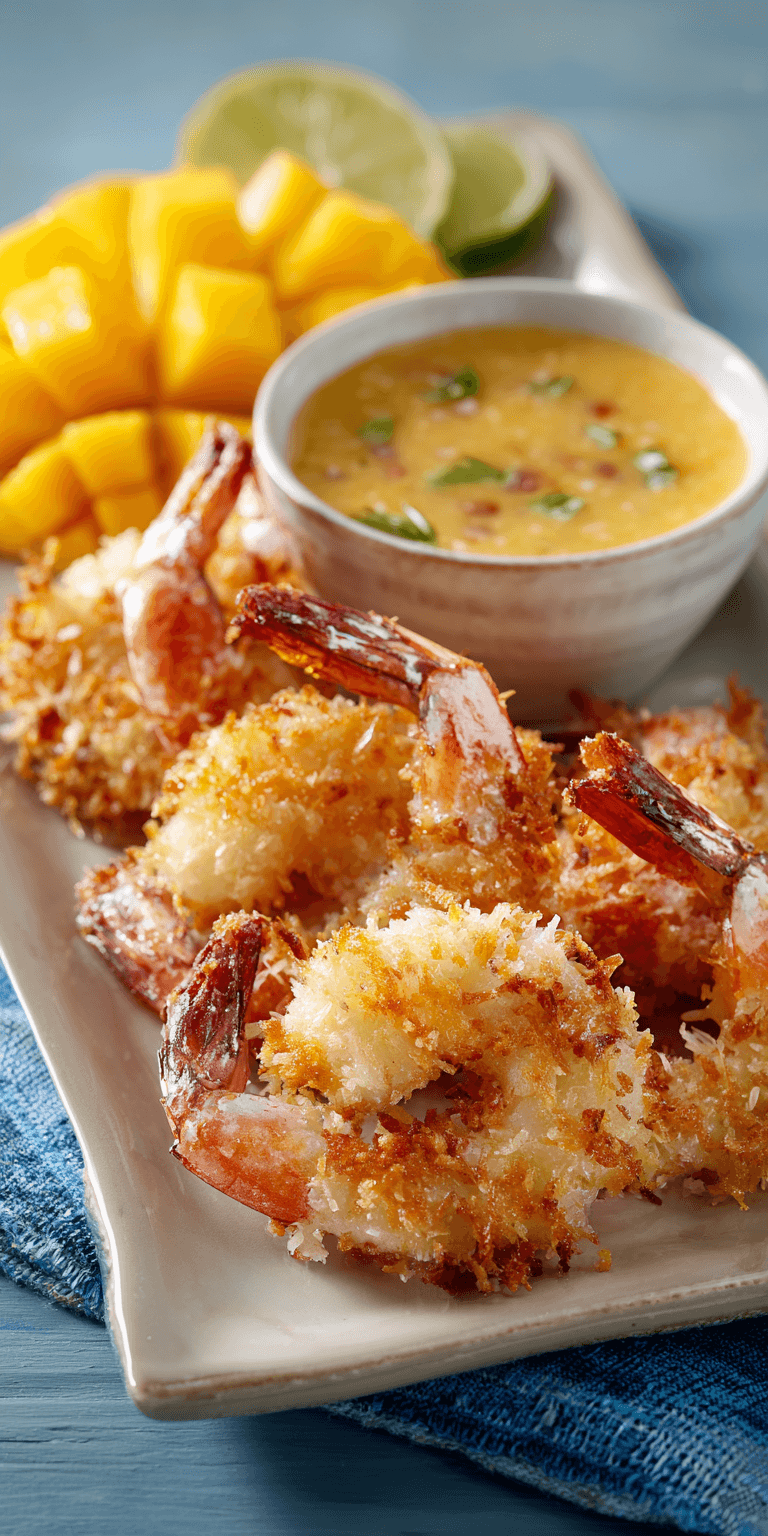
The secret is using unsweetened, wide-flake coconut and toasting it yourself. Store-bought sweetened coconut burns too fast and masks the shrimp’s natural sweetness. Your own toasted flakes give a deep, nutty complexity.
They also create a shatteringly crisp, craggy crust that clings perfectly. This is the foundation of flavor and texture. Never skip this step.
Why This Method is Better (My Pro-Tips)
I don’t just double-coat. I use a chilled, strategic breading station. This is the key to a crust that stays put.
First, I keep my flour, egg wash, and coconut bowls chilled. Cold ingredients prevent the coating from sliding off. Second, I use one hand for wet ingredients and one for dry. This avoids clumpy fingers and a messy dredge.
Finally, I press the coconut on firmly. Don’t just sprinkle. You want a substantial, even armor that fries up golden and crisp.
The “Upgraded” Ingredient List
Quality in, quality out. Here’s exactly what you need for pro-level results.
- 1 lb large shrimp (16/20 count), peeled and deveined, tails on
- 1 ½ cups unsweetened wide-flake coconut
- ½ cup panko breadcrumbs
- ⅔ cup all-purpose flour
- 2 large eggs
- 1 tbsp cornstarch
- 1 tsp baking powder (the lift secret!)
- ½ tsp each: garlic powder, smoked paprika
- ¼ tsp cayenne pepper
- Kosher salt and black pepper
- Avocado or peanut oil, for frying
For the Dipping Sauce:
- ½ cup high-quality orange marmalade
- 2 tbsp stone-ground mustard
- 1 tbsp prepared horseradish
- 1 tsp fresh lime juice
The Pro-Method (Step-by-Step)
Follow this sequence precisely. It’s designed for maximum crunch.
- Toast the Coconut: Spread flakes on a baking sheet. Toast at 325°F for 5-7 minutes until golden. Cool completely. Mix with panko.
- Prep the Shrimp: Pat shrimp utterly dry. This is non-negotiable. Season lightly with salt and pepper.
- Set Up Your Station: Bowl 1: Flour, cornstarch, and spices. Bowl 2: Eggs whisked with baking powder. Bowl 3: Cooled coconut-panko mix. Keep all bowls cold.
- The Dredge: Hold shrimp by the tail. Dredge in flour, tap off excess. Dip in egg, let excess drip. Press firmly into coconut mix. Place on a parchment-lined tray.
- Heat the Oil: In a heavy pot, heat 2 inches of oil to 350°F. Use a thermometer. Temperature control is everything.
- Fry to Perfection: Fry shrimp in batches for 2-3 minutes until deeply golden. Do not crowd the pot. Drain on a wire rack, not paper towels.
- Make the Sauce: Whisk all sauce ingredients until smooth. The horseradish adds a necessary sharpness.
Common Mistakes & How to Fix Them
Even pros make errors. Here’s how to avoid the big ones.
Mistake 1: A Soggy, Falling-Off Crust. This is from wet shrimp or warm dredging stations. The fix is absolute dryness and chilled ingredients. The cornstarch in the flour also helps create a glue.
Mistake 2: Burnt Coconut, Undercooked Shrimp. This means your oil is too hot. You’re searing the outside before the inside cooks. Maintain 350°F. Fry by color and time.
Mistake 3: A One-Note Dipping Sauce. Just sweet chili sauce? No. Our marmalade-mustard-horseradish blend gives the perfect sweet and savory balance with a kick. It elevates the entire dish.
Variations for the Adventurous Cook
Mastered the base? Let’s play. These are next-level twists.
Swap panko for crushed plantain chips or macadamia nuts. Add 1 tsp of lemongrass powder to the flour. For the sauce, try a mango-habanero puree or a spicy tamarind glaze.
You can also bake them. For a baked version, place breaded shrimp on a wire rack over a sheet pan. Spray lightly with oil and bake at 425°F until golden. It’s good, but frying is superior for ultimate crunch.
Nutrition Notes
This is a celebratory dish. Enjoy it as such. Here’s a general breakdown per serving (approx. 5 shrimp with sauce).
- Calories: ~480
- Protein: 24g
- Carbohydrates: 38g
- Fat: 26g (varies with oil absorption)
- Fiber: 3g
- Sugar: 18g (primarily from coconut & marmalade)
Your Pro-Level Questions Answered
These are the questions my chef friends ask. Now you have the answers.
Can I prepare these ahead of time?
Yes, but with strategy. Bread the shrimp and freeze them in a single layer on a tray. Once solid, bag them. Fry directly from frozen, adding 1-2 minutes to the cook time. Do not thaw first.
What’s the best oil for frying?
You need a high-smoke point, neutral oil. My top choice is peanut oil. Avocado oil is a great second. They won’t impart off-flavors and can handle the heat.
How do I keep the first batch warm?
Never cover them—steam kills crunch. Keep finished shrimp on a wire rack in a 200°F oven. This lets air circulate so they stay warm and crisp.
A Few Final Secrets
Serve this immediately. The sound when someone bites into it should be audible. Pair it with a crisp, cold beer or a dry Riesling.
This isn’t just another fried shrimp recipe. It’s a technique. Once you master this breading and toasting method, you can apply it to fish, chicken, or even cauliflower.
You now have the insider knowledge. The difference is in the details: the unsweetened coconut, the chilled station, the wire rack, the bold sauce. This is how a tropical seafood appetizer becomes legendary.
Now, I need you to go try it. Then, you have to tell me. Did that one secret change everything for you? Rate this recipe and let me know your results in the comments below. Your turn to cook like a pro.