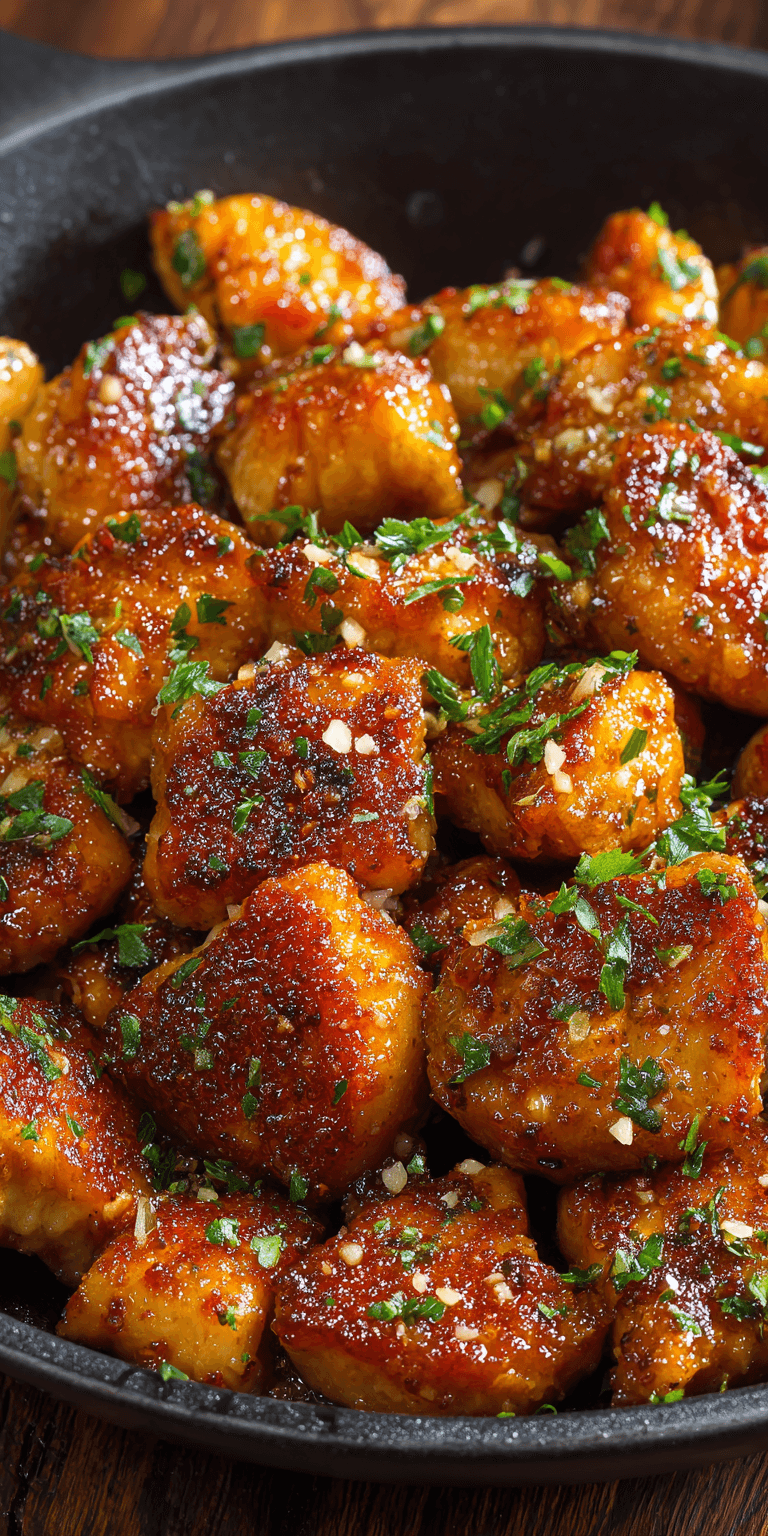

You’ve made apricot glazed chicken breasts before. I know you have. The sweet sauce, the tender chicken—it’s a classic for a reason.
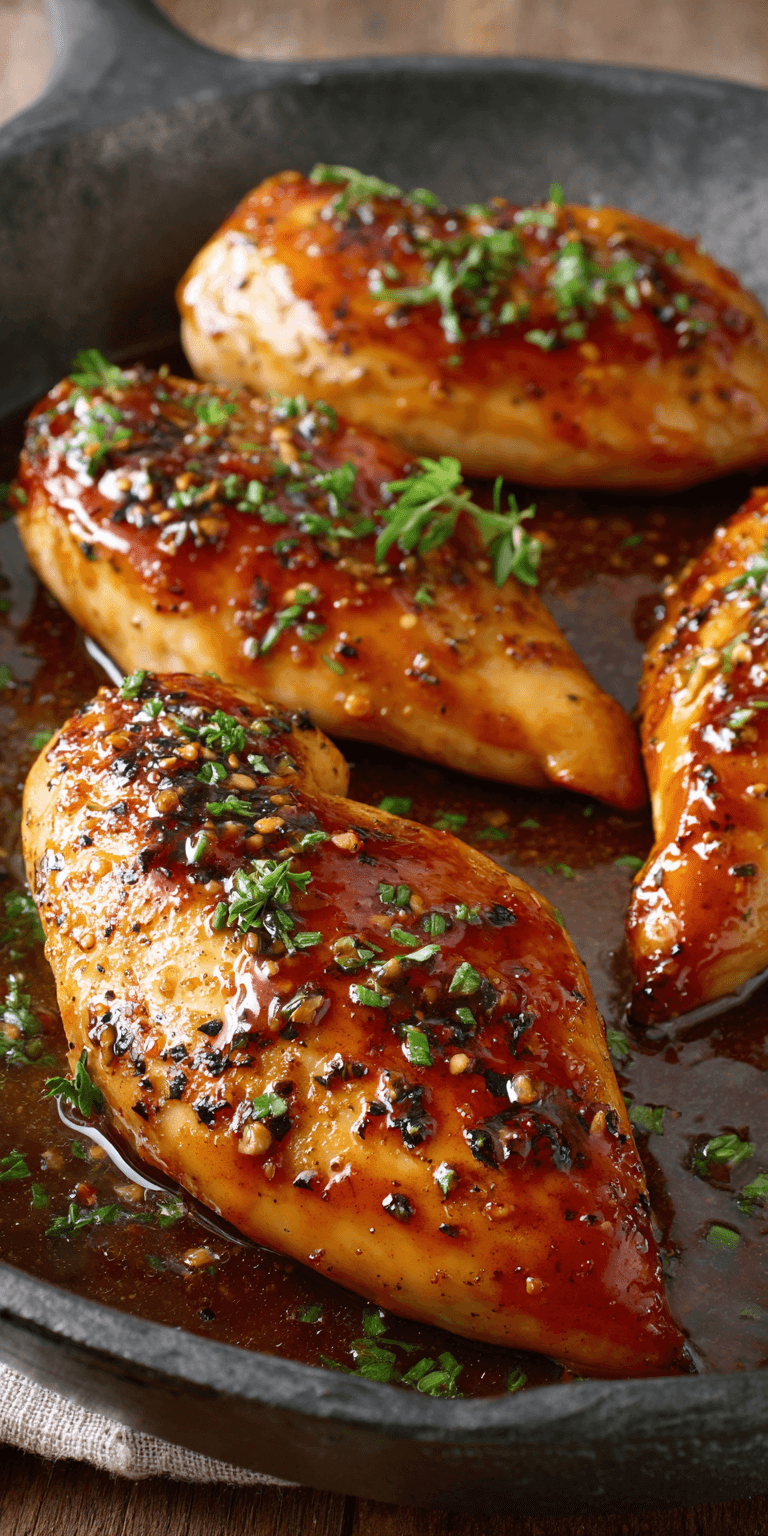
But I’m willing to bet it’s never tasted like this. There’s a quiet secret hiding in my version, a single move that changes everything from good to unforgettable.
Ready to find out what it is? Let’s get into the kitchen. I’ll show you how to turn this simple sweet chicken recipe into your new secret weapon for easy baking.
Recipe Overview
Here’s the quick look at what we’re making today. It’s simpler than you think, but the results are anything but.
- Cuisine: American Fusion
- Category: Main Course
- Prep Time: 15 minutes
- Cook Time: 25 minutes
- Total Time: 40 minutes
- Servings: 4
The Secret Ingredient That Makes All the Difference
Everyone reaches for the apricot jam. That’s a given. But the magic isn’t in the jam itself. It’s in what you balance it with.
The secret is a big splash of apple cider vinegar. Not just any vinegar, but the good, unfiltered kind with the “mother” still in it.
Apricot Glazed Chicken Breasts Recipe
The “Upgraded” Ingredient List
The Pro-Method (Step-by-Step)
Notes
Enjoy your homemade Apricot Glazed Chicken Breasts Recipe!
Why does this work? Pure fruit glaze can be one-note and cloying. The sharp, tangy punch of the vinegar cuts right through that. It lifts the apricot flavor, makes it brighter, and creates a complex sweet-tart sauce that clings perfectly. It’s the difference between a glaze that sits on top and one that becomes part of the chicken.
Why This Method is Better (My Pro-Tips)
Most recipes tell you to just mix and bake. That’s fine. But we’re not aiming for fine. We want spectacular.
My method uses a two-step glaze process. First, we sear the chicken to get that gorgeous golden crust. This builds flavor you can’t get from baking alone.
Then, we build the glaze right in the same pan. We’re using the fond—those delicious browned bits stuck to the pan—as our flavor base. This is where the spring flavors really come alive. It’s a chef’s trick for turning simple pan drippings into liquid gold.
The “Upgraded” Ingredient List
These aren’t just ingredients. They’re your tools. Using the best you can find here will pay off tenfold in the final dish.
- 4 boneless, skin-on chicken breasts (about 6 oz each)
- 1 tbsp avocado oil or high-heat oil
- 1 tsp kosher salt
- 1/2 tsp freshly cracked black pepper
- 1 cup high-quality apricot preserves
- 1/3 cup unfiltered apple cider vinegar
- 2 tbsp low-sodium soy sauce or tamari
- 2 cloves garlic, finely grated
- 1 tbsp fresh ginger, grated
- 1/2 tsp red pepper flakes (optional, for heat)
- 2 scallions, thinly sliced, for garnish
The Pro-Method (Step-by-Step)
Follow these steps in order. This sequence is designed to build layers of flavor, one on top of the other.
- Prep and Season: Pat your chicken breasts completely dry with paper towels. This is non-negotiable for a good sear. Season both sides generously with the salt and pepper.
- Sear to Perfection: Heat your oil in a large, oven-safe skillet over medium-high heat. Once it shimmers, add the chicken, skin-side down. Sear without moving for 6-7 minutes, until the skin is deeply golden and crisp. Flip and sear the other side for 2 minutes. Transfer the chicken to a plate.
- Build the Glaze: Reduce the heat to medium. In the same skillet, add the apricot preserves, vinegar, soy sauce, garlic, ginger, and red pepper flakes. Whisk, scraping up all the glorious browned bits from the pan bottom. Let it simmer for 3-4 minutes until it thickens slightly.
- Glaze and Roast: Return the chicken to the skillet, skin-side up. Spoon half of the glaze over the top. Transfer the entire skillet to a preheated 400°F (200°C) oven.
- Finish Cooking: Roast for 12-15 minutes, until the chicken is cooked through (165°F internal temperature).
- The Final Touch: Remove from the oven. Brush the chicken with the remaining fresh glaze from the pan for a super glossy finish. Let it rest for 5 minutes. Garnish with sliced scallions.
Common Mistakes & How to Fix Them
Even advanced cooks can slip up. Here’s how to avoid the pitfalls and guarantee success every time.
Mistake 1: Wet Chicken Skin. If you don’t pat the skin dry, it will steam instead of sear. You’ll get rubbery, pale skin. The fix is simple: be thorough with those paper towels. Get every bit of moisture off.
Mistake 2: Boiling the Glaze. After adding the wet ingredients, if the heat is too high, the vinegar will boil off and the sugars can burn. You lose that bright acidity. Keep it at a gentle, active simmer. You should see small bubbles, not a raging boil.
Mistake 3: Skipping the Rest. Slicing right away lets all the juices run out, leaving dry chicken. Those five minutes of rest let the fibers relax and reabsorb the moisture. It’s the final step for juicy, healthy poultry.
Variations for the Adventurous Cook
Mastered the base recipe? Excellent. Now let’s play. These swaps will take your skills to the next level.
Swap the apricot for fig jam or peach preserves. The vinegar will work its magic with any stone fruit.
Add a tablespoon of whole-grain mustard to the glaze for a pungent, textured kick. It’s incredible.
For a smoky depth, cook two slices of chopped bacon in the skillet first. Remove the bacon, then sear the chicken in the bacon fat. Crumble the bacon back over the finished dish.
Nutrition Notes
This is a balanced, flavorful dish. Here’s a basic breakdown per serving, using the ingredients listed.
- Calories: ~380
- Protein: 36g
- Carbohydrates: 32g
- Fat: 12g (varies with skin)
- Fiber: 1g
- Sugar: 24g (primarily from fruit)
Your Pro-Level Questions Answered
These are the questions I get from cooks who really want to understand the “why.”
Can I use skinless chicken breasts?
You can, but you’ll miss out. The skin protects the meat during the high-heat sear and adds incomparable flavor and texture. If you must go skinless, reduce the initial sear time by 2 minutes per side to avoid drying it out.
My glaze is too thin. How do I thicken it quickly?
If your sauce hasn’t reduced enough, remove the cooked chicken. Simmer the glaze over medium heat for another 3-5 minutes. It will thicken as it cools, too. For a rapid fix, make a slurry with 1 tsp cornstarch and 1 tbsp cold water, whisk it in, and simmer for 1 minute.
What’s the best side dish for this?
You need something to soak up that amazing sauce. I love it with coconut jasmine rice or farro. For spring flavors, a simple arugula salad with a lemon vinaigrette cuts the sweetness perfectly.
A Few Final Secrets
You now have the blueprint. But the real artistry is in the tiny details. Here’s my last bit of insider knowledge.
Make a double batch of the glaze mixture and keep half in a jar in the fridge. It’s a miracle worker brushed on shrimp, pork chops, or even roasted carrots later in the week.
Always taste your glaze before it goes on the chicken. Adjust it to your palate. Want more tang? Add a pinch of vinegar. More heat? More pepper flakes. You are in control.
This recipe isn’t just about following steps. It’s about understanding how acid plays with sweet, and how heat transforms texture. You’ve just leveled up your cooking skill.
Now that you have the secret, go try it! I want to hear all about it. Did the vinegar change the game for you? What variations did you try? Let me know in the comments below—and don’t forget to rate the recipe!