

You’ve baked salmon before. You’ve roasted asparagus. But you’ve never made Baked Salmon with Asparagus Seafood like this. There’s a single, quiet secret that elevates this from a simple healthy dinner to a restaurant-worthy masterpiece.
It’s not a fancy spice. It’s not a complicated technique. It’s an ingredient you likely already have, used in a way you probably haven’t considered. Ready to unlock the secret that makes all the difference?
This method is my weeknight pro-move. It delivers perfectly flaky, omega-3 rich fish and crisp-tender asparagus every single time. Let’s get into it.
Recipe Overview
This is the blueprint for your success. Everything you need to know at a glance.
- Cuisine: Seafood / Modern American
- Category: Main Course, Healthy Dinner
- Prep Time: 10 minutes
- Cook Time: 15 minutes
- Total Time: 25 minutes
- Servings: 2 (Easily doubled)
The Secret Ingredient That Makes All the Difference
I’ve hinted at it. Now, I’ll reveal it. The game-changer is dry white wine. Not in the sauce, but on the pan.
Baked Salmon with Asparagus Seafood Recipe
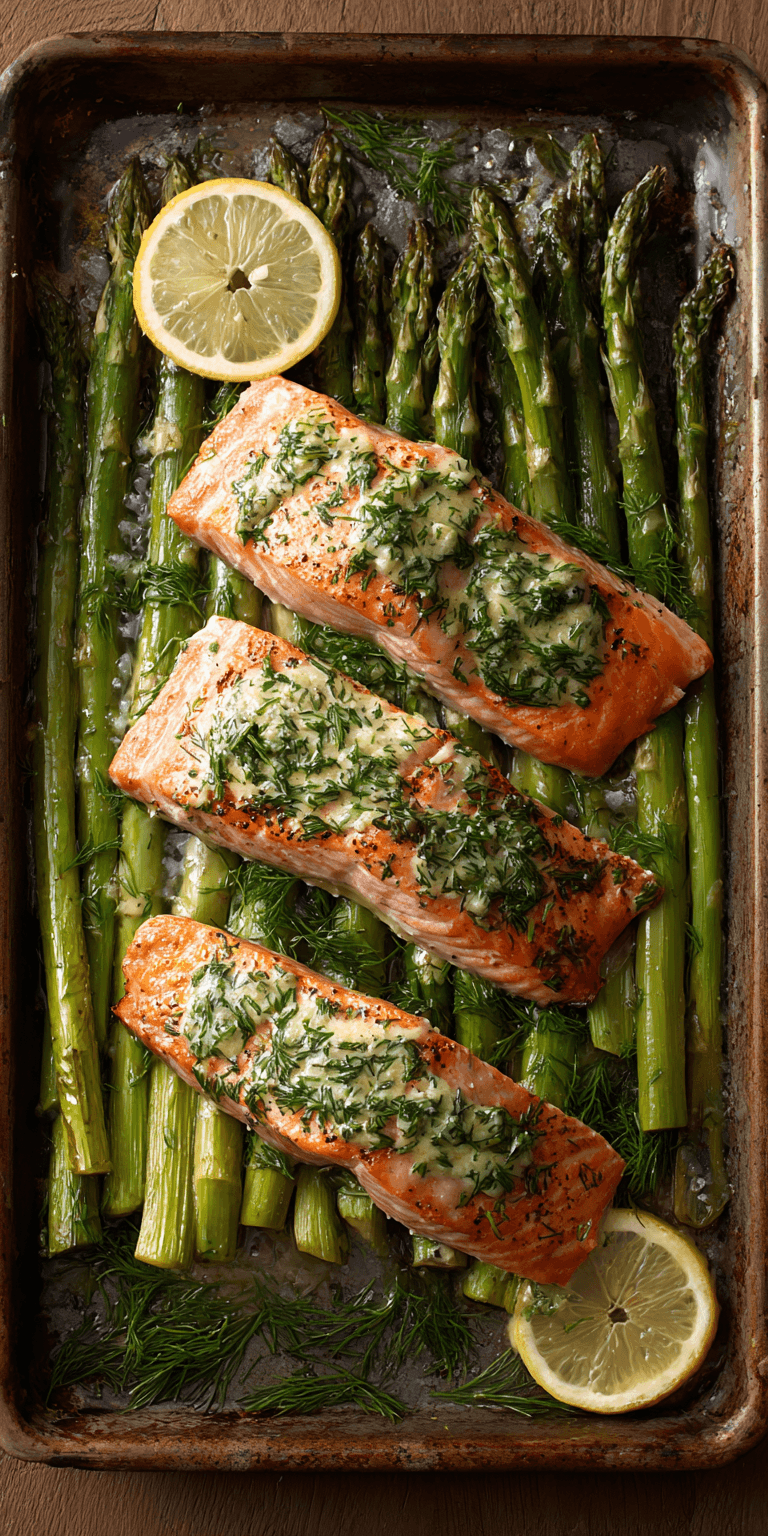
The “Upgraded” Ingredient List
The Pro-Method (Step-by-Step)
Notes
Enjoy your homemade Baked Salmon with Asparagus Seafood Recipe!
Most recipes have you bake the salmon fillet directly on oiled parchment. We’re going to pour a splash of wine onto the sheet pan first. This creates an instant steam bath as it hits the hot oven.
That gentle steam bastes the salmon from below, keeping it incredibly moist. It also softens the asparagus stalks just enough before roasting begins. The alcohol cooks off, leaving behind a subtle, aromatic complexity you can’t get from oil or lemon alone.
Why This Method is Better (My Pro-Tips)
This isn’t just tossing ingredients on a tray. It’s a calculated, layered approach for perfect results.
First, we use the wine-steam method I just described. Second, we layer the ingredients strategically. The asparagus acts as a flavor-soaking raft for the salmon.
Finally, we add the lemon slices under the salmon, not on top. This prevents the fish from steaming in its own juices on the bottom, ensuring a beautiful sear from the pan’s heat. It’s these small, intentional details that separate a good cook from a great one.
The “Upgraded” Ingredient List
Quality in, excellence out. Here’s what you need for this pro-level dish.
- 2 center-cut salmon fillets, skin-on or off (about 6 oz each)
- 1 bunch fresh asparagus, woody ends trimmed
- 3 tbsp extra virgin olive oil, divided
- 1/4 cup dry white wine (like Sauvignon Blanc or Pinot Grigio)
- 1 large lemon, half sliced into rounds, half for juicing
- 3 cloves garlic, minced
- 1 tsp fresh thyme leaves (or 1/2 tsp dried)
- 1/2 tsp smoked paprika (trust me on this)
- Kosher salt and freshly cracked black pepper
- Fresh dill or parsley, for garnish (optional)
The Pro-Method (Step-by-Step)
Follow these steps precisely. This is where the magic happens.
- Preheat your oven to 425°F (218°C). This high heat is non-negotiable for perfect texture.
- On a large rimmed baking sheet, pour the white wine. Arrange the asparagus in the center of the pan in a single layer. Drizzle with 1 tbsp olive oil, season with salt and pepper, and toss.
- Place the lemon slices directly on top of the asparagus bed. This is your flavor platform.
- Pat the salmon fillets completely dry with paper towels. This is critical for browning, not steaming.
- In a small bowl, mix the remaining 2 tbsp olive oil, minced garlic, thyme, smoked paprika, a big pinch of salt, and pepper. Rub this mixture all over the salmon fillets.
- Place each seasoned salmon fillet directly on top of the lemon slices and asparagus.
- Bake for 12-15 minutes, depending on thickness. The salmon is done when it flakes easily with a fork and reaches 125-130°F internally.
- Remove from the oven. Squeeze the remaining fresh lemon juice over everything. Garnish with fresh herbs and serve immediately.
Common Mistakes & How to Fix Them
Even advanced cooks can stumble. Here’s how to avoid the pitfalls.
Mistake 1: Soggy, Steamed Salmon. This happens from overcrowding or not patting the fish dry. Ensure your fillets aren’t touching and their surface is bone-dry before seasoning. The lemon-slice barrier also fights this.
Mistake 2: Limp, Overcooked Asparagus. Trimming is key. Bend one spear until it snaps naturally—that’s where you cut the whole bunch. Also, ensure they are in a single layer, not piled up.
Mistake 3: Bland Flavor. Underseasoning is the enemy. Season the asparagus separately. Season the salmon aggressively with the oil-herb paste. Season in layers for depth.
Variations for the Adventurous Cook
Mastered the base recipe? Let’s play. These swaps take it in exciting new directions.
Swap the white wine for a dry vermouth or even a light broth. The steam principle remains, but the flavor profile shifts.
Add a tablespoon of capers or chopped Castelvetrano olives to the oil-herb paste for a briny, Mediterranean punch.
For a creamy finish, whip a simple sauce while the dish bakes: mix Greek yogurt with lemon zest, dill, and a pinch of salt. Dollop over the hot salmon.
Nutrition Notes
This dish isn’t just delicious; it’s powerhouse fuel. Here’s the breakdown per serving.
- Calories: ~480
- Protein: 36g
- Healthy Fats: 32g (Rich in Omega-3s)
- Carbohydrates: 8g
- Fiber: 4g
- Excellent source of Vitamin B12, Vitamin D, and Selenium.
Your Pro-Level Questions Answered
Let’s tackle the nuanced questions I get from my most dedicated readers.
Can I use frozen salmon fillets?
You can, but you must thaw them completely in the refrigerator overnight. Pat them exceptionally dry. Any surface moisture will ruin the sear and texture.
What’s the best side dish for this?
Keep it simple. A quick quinoa pilaf or creamy, Parmesan-kissed polenta soaks up the lovely juices beautifully. A crisp, acidic green salad also works perfectly.
How do I get crispy salmon skin?
For crispy skin, start skin-side down in a hot, oven-safe skillet with a bit of oil. Sear for 3 minutes, then flip, add the asparagus/wine to the pan, and transfer the whole skillet to the oven to finish.
A Few Final Secrets
Before you go, let me leave you with two more insider tips. First, let your salmon come to room temperature for 15 minutes before baking. This promotes even cooking from edge to center.
Second, invest in an instant-read thermometer. It’s the single best tool to guarantee perfect, moist fish every time. Pull it at 125°F for medium-rare perfection.
This recipe is a testament to how one small, intentional change—that splash of wine—can transform the entire experience. It’s the kind of secret that makes cooking exciting.
Now, I need you to do something for me. Go make this. Taste the difference the secret makes. Then, come back here and tell me about it. Did the wine-steam method change your weeknight dinner game? Share your results, your tweaks, and your photos in the comments below. And if this felt like a pro-level upgrade, rate this article to let me know!