
You’ve made a lemon cake before. I know you have.

It was probably good. But was it unforgettable? Did it have that bright, sunny punch that makes you close your eyes for a second? That’s what we’re after.
This recipe has one quiet secret that changes everything. It’s not a fancy tool or a rare spice. It’s a simple shift in how we treat a common ingredient. Ready to find out what it is?
Recipe Overview
Here’s the quick look at what we’re making today. This is your roadmap to the best version of this classic.
- Cuisine: American
- Category: Dessert
- Prep Time: 20 minutes
- Cook Time: 45-50 minutes
- Total Time: 1 hour 10 minutes (plus cooling)
- Servings: 10-12
The Secret Ingredient That Makes All the Difference
I’ve tested this for years. The secret isn’t *what* you add, but *when* you add it.
It’s the lemon zest. Most recipes just tell you to mix it into the dry ingredients or the batter. We’re not doing that.
Lemon Cake Recipe
The “Upgraded” Ingredient List
The Pro-Method (Step-by-Step)
Notes
Enjoy your homemade Lemon Cake Recipe!
Our secret is to massage the lemon zest into the sugar with your fingertips before anything else. You’ll work the zest and granulated sugar together for a full minute.
This ruptures the zest’s oil glands and coats every sugar crystal in intense citrus oil. The sugar becomes damp, fragrant, and pale yellow. This tiny act infuses the entire cake with a perfume that baking can’t destroy.
Why This Method is Better (My Pro-Tips)
This isn’t just about mixing. It’s about building flavor with intention.
We use the reverse-creaming method for the batter. You’ll cut the butter into the dry ingredients first, like making a pie crust. This coats the flour in fat, limiting gluten development.
The result? A cake with an unbelievably soft, tight crumb. It’s tender, but still sturdy enough to hold a soak. Which, by the way, we are absolutely doing.
A simple syrup soak after baking is non-negotiable. It boosts moisture and doubles down on that lemon flavor we worked so hard to create.
The “Upgraded” Ingredient List
Quality matters. Use room temperature ingredients unless noted. It makes the batter come together smoothly.
- 2 cups (400g) granulated sugar
- Zest of 3 large, unwaxed lemons
- 3 cups (360g) cake flour (all-purpose works, but cake flour is better)
- 1 tbsp baking powder
- 1 tsp fine sea salt
- 1 cup (2 sticks / 226g) unsalted butter, cold and cubed
- 4 large eggs, room temperature
- 1 cup (240ml) whole milk, room temperature
- 1/4 cup (60ml) fresh lemon juice
- 1 tsp pure vanilla extract
- For the Soak: 1/3 cup lemon juice + 1/3 cup granulated sugar, heated until dissolved.
- For the Glaze: 1 1/2 cups powdered sugar + 2-3 tbsp lemon juice + a pinch of salt.
The Pro-Method (Step-by-Step)
Follow these steps in order. Trust the process.
- Preheat your oven to 350°F (175°C). Grease and flour a 10-cup Bundt pan meticulously. Get into every crevice.
- In a large bowl, combine the sugar and lemon zest. Use your fingertips to rub them together until the sugar is fragrant, damp, and yellow.
- Whisk the cake flour, baking powder, and salt into the lemon sugar.
- Add the cold, cubed butter to the dry ingredients. Use a pastry cutter or your fingertips to cut the butter in until the mixture looks like coarse, damp sand with some pea-sized bits.
- In a separate bowl, whisk the eggs, milk, the 1/4 cup lemon juice, and vanilla until just combined.
- Add the wet ingredients to the dry-butter mixture in two additions. Mix on low speed (or by hand) until the batter is just combined and smooth. Do not overmix.
- Pour the batter into your prepared pan. Smooth the top. Bake for 45-50 minutes, until a skewer comes out clean.
- While the cake bakes, make the soak. Heat the 1/3 cup each lemon juice and sugar in a small pan until the sugar dissolves. Set aside.
- Let the cake cool in the pan for 15 minutes only. Then, invert it onto a wire rack set over a tray. Immediately poke deep holes all over the warm cake with a skewer.
- Slowly brush or spoon the lemon soak all over the cake. Let it absorb fully. Let the cake cool completely.
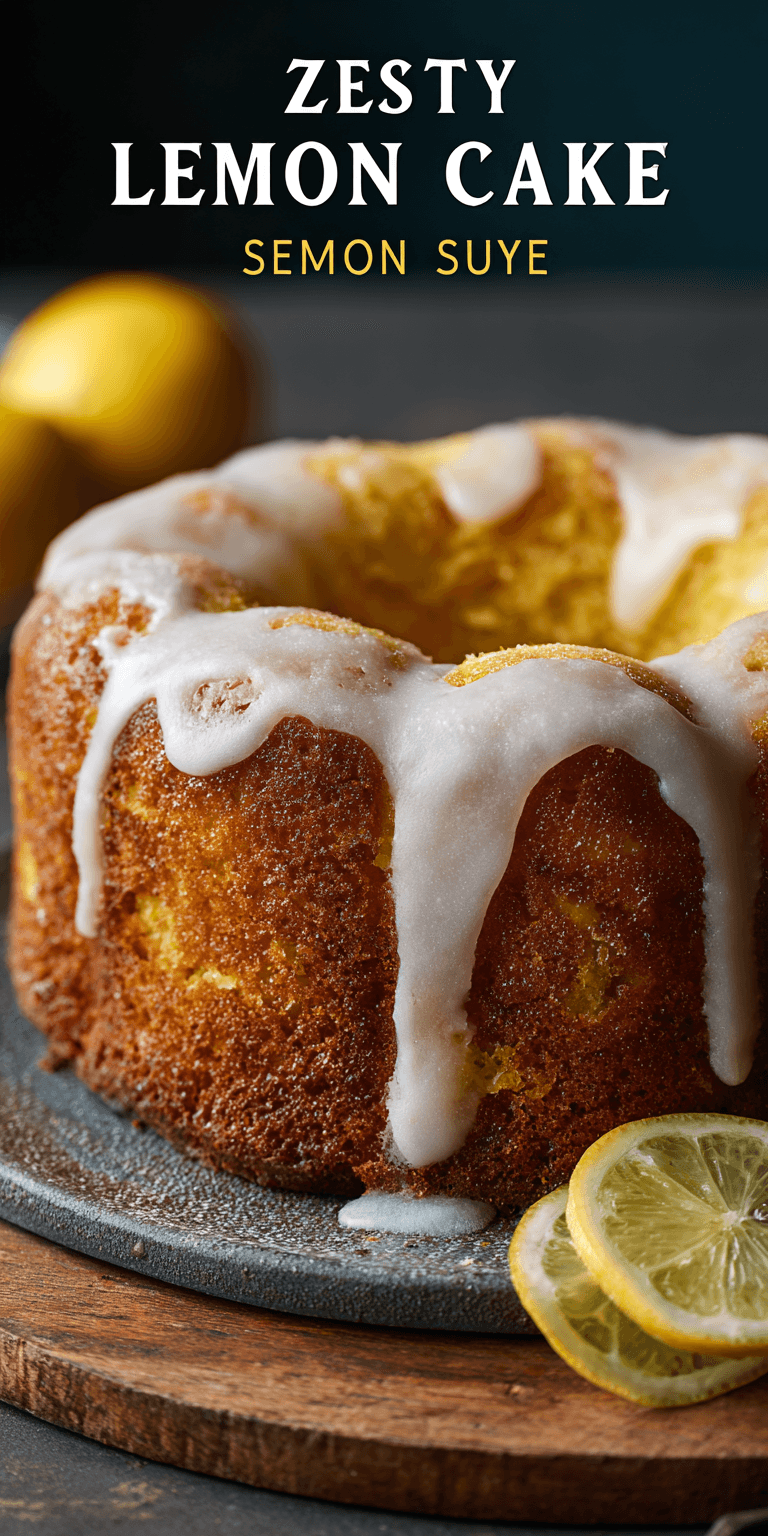
- Whisk the glaze ingredients until smooth. It should be thick but pourable. Drizzle artistically over the completely cool cake.
Common Mistakes & How to Fix Them
Even pros hit snags. Here’s how to avoid or fix the big ones.
The cake sticks to the pan. This is heartbreaking. The fix is in the prep. After greasing, dust with flour, then tap out the excess. For extra insurance, use a baking spray with flour in it. Let the cake cool for only 15 minutes before turning it out—any longer and the sugars glue it to the pan.
A dense, tough crumb. This is from overmixing after the wet ingredients go in. Once you see the last streak of flour disappear, stop mixing. The reverse-creaming method helps prevent this, but you still need a gentle hand.
Variations for the Adventurous Cook
Mastered the base? Let’s play. These are my favorite advanced swaps.
Swap the vanilla for 1/2 teaspoon of pure almond extract. It adds a beautiful, subtle depth that pairs magically with lemon.
Add 1/2 cup of finely ground toasted almonds to the dry ingredients. It gives the cake a wonderful texture and nutty flavor.
For a herbal note, add 1 tablespoon of finely chopped fresh thyme or rosemary to the sugar when you zest it. It’s unexpected and sophisticated.
Nutrition Notes
This is a treat. Enjoy it as one. A rough estimate per serving (based on 12) is:
- Calories: ~480
- Fat: 18g
- Carbohydrates: 78g
- Protein: 5g
Your Pro-Level Questions Answered
These are the questions I get from bakers who want to level up.
Can I make this into layers?
Absolutely. Divide the batter between three 8-inch round pans, lined and greased. Bake at the same temperature for 25-30 minutes. Use a lemon curd filling and a lemon buttercream for a stunning layer cake.
My glaze is too thin/too thick. Help!
Glazes are about feel. Too thin? Add powdered sugar a tablespoon at a time. Too thick? Add liquid (lemon juice or milk) a teaspoon at a time. You want it to slowly drip off your whisk.
How do I store this to keep it moist?
Store it at room temperature, covered with a cake dome or in an airtight container, for up to 3 days. The soak acts as a preservative and keeps it deliciously moist.

A Few Final Secrets
Presentation is the last step of the recipe. Don’t skip it.
Use a microplane for your zest, never a box grater. You want fluffy zest, not bitter pith. For the prettiest finish, drizzle the glaze from a height. Let it cascade down the curves of your Bundt cake naturally.
Finally, garnish with thin, delicate twists of fresh lemon zest right before serving. It tells everyone this is something special.
Now you have the real secrets. This is the lemon cake recipe that will ruin all others for you. The method is your new standard. I want to hear how it turns out. Did the sugar-and-zest trick change the game for you? Share your results and your rating in the comments below!