
Some recipes just feel like a warm hug. For me, this classic Spring Green Pesto Pasta with Peas is one of them. It’s the first real taste of sunshine after a long winter.
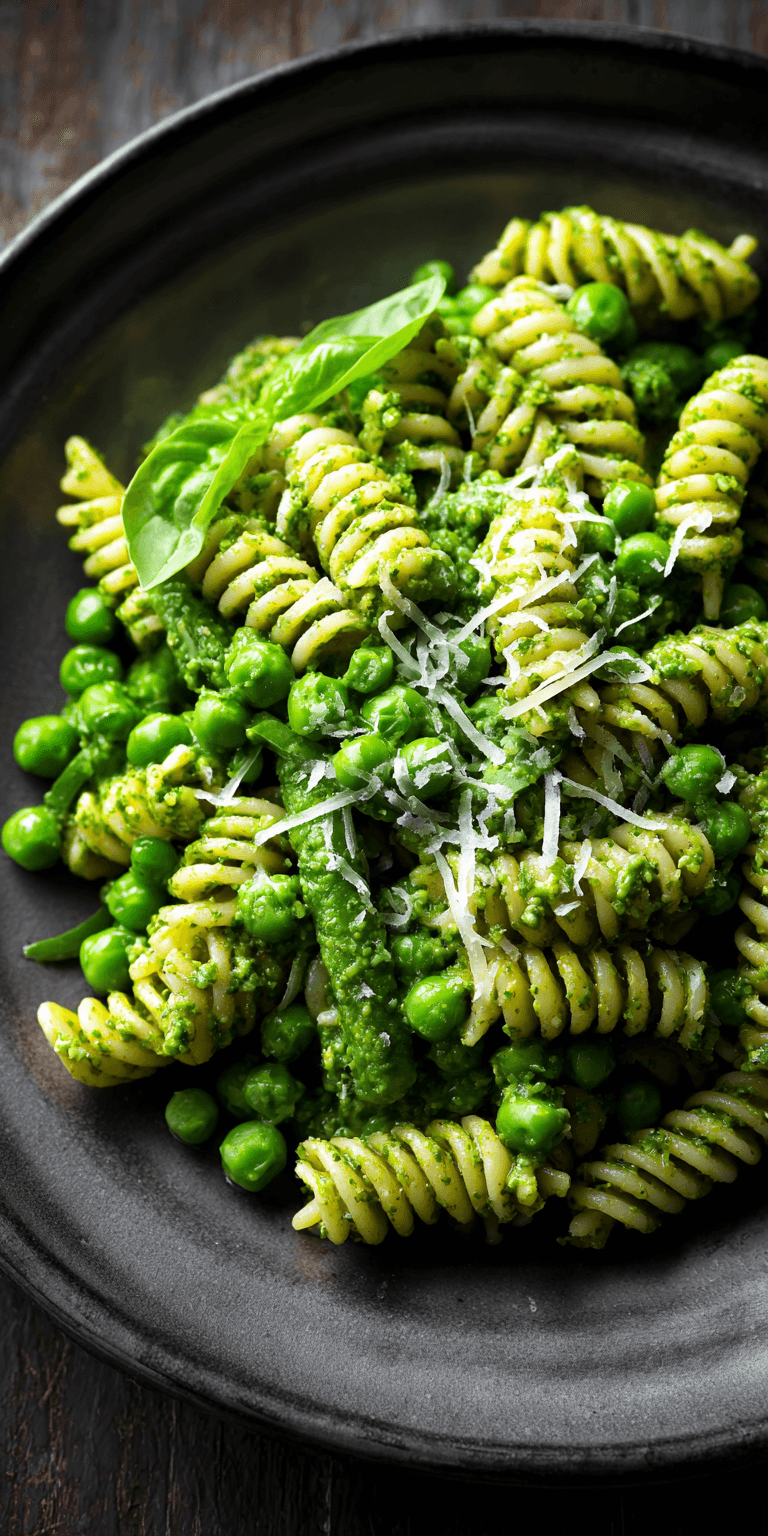
It takes me right back to my grandma’s kitchen. She’d make it when the first tiny peas appeared in her garden. The smell of fresh basil and garlic would fill the whole house.
This dish is a celebration of simple, good things. It’s a vegetarian pasta that comes together in a flash. It’s the perfect quick dinner that still feels like a special occasion.
Recipe Overview
- Cuisine: Italian-Inspired
- Category: Main Course
- Prep Time: 15 minutes
- Cook Time: 15 minutes
- Total Time: 30 minutes
- Servings: 4
The Story Behind This Classic Recipe
My grandma didn’t call it “Green Goddess” or anything fancy. She called it “spring cleaning for the garden.” It was her way of using the first vibrant greens.
She believed the first harvest should be eaten simply. You should taste the earth and the sun. This pasta was her ritual, and it became mine.
We’d shell the peas together at the kitchen table. I can still hear the quiet *pop* and feel the cool, sweet peas in my hand. That connection is cooked right into every bowl.
Spring Green Pesto Pasta with Peas Recipe
The Classic Ingredients (No Fancy Stuff!)
How to Make It Just Like Grandma Did
Notes
Enjoy your homemade Spring Green Pesto Pasta with Peas Recipe!
What Makes This the *Traditional* Way
The traditional way is all about respect for the ingredients. You don’t need to hide them. You just need to brighten them up and let them shine.
We use a classic mortar and pestle for the pesto. It bruises the basil gently, not tears it. This gives a smoother, more rounded flavor than a food processor.
And the peas? They go in raw for the last minute of cooking. This keeps that perfect, sweet pop. It’s a small step that makes all the difference.
The Classic Ingredients (No Fancy Stuff!)
This is where the magic happens. Every item here has a job. There are no extras to get in the way of that fresh, green taste.
- 1 pound (450g) dried pasta (like fusilli, linguine, or spaghetti)
- 2 cups fresh basil leaves, packed
- 1/2 cup fresh parsley leaves
- 1/3 cup pine nuts (or walnuts)
- 2 cloves garlic, peeled
- 1/2 cup freshly grated Parmesan cheese, plus more for serving
- 1/2 cup extra-virgin olive oil
- 1 1/2 cups fresh spring peas (or frozen peas, thawed)
- Salt and black pepper to taste
How to Make It Just Like Grandma Did
Follow these steps, and you’ll have a bowl of pure comfort. Take your time and enjoy the process. Good food isn’t rushed.
- Bring a large pot of well-salted water to a boil for the pasta.
- While it heats, make the pesto. In a mortar, add the garlic and a pinch of salt. Pound it into a paste.
- Add the pine nuts and pound until broken down. Then, add the basil and parsley leaves. Pound and grind until you have a rough, fragrant paste.
- Stir in the grated Parmesan cheese. Then, slowly drizzle in the olive oil while stirring. You want a loose, spoonable sauce. Season with pepper.
- Cook your pasta according to the package directions. One minute before the pasta is done, add the fresh peas to the boiling water.
- Reserve one cup of the starchy pasta water. Then, drain the pasta and peas.
- Return everything to the warm pot. Add your fresh pesto and a splash of the pasta water. Toss it all together until every strand is coated. Add more pasta water if needed to make it silky.
- Serve immediately with an extra sprinkle of Parmesan cheese.
My Tips for Perfecting This Classic
A few little secrets can boost your dish from good to unforgettable. These are the tricks passed down in my family.
First, toast your nuts. Give the pine nuts a quick toast in a dry pan until golden. It wakes up their oils and adds a deep, nutty flavor you’ll love.
Second, salt your pasta water like the sea. It should taste like the ocean. This is your only chance to season the pasta itself, and it’s a game-changer.
Finally, always save that pasta water! The starch helps the pesto cling to the pasta. It creates a creamy, smooth sauce that won’t slide off.
How to Store and Enjoy Later
This dish is best eaten right away. But if you have leftovers, you can still enjoy them.
Store them in an airtight container in the fridge for up to 2 days. The pesto will darken, but it will still taste wonderful.
To reheat, add a splash of water or milk to a pan. Warm the pasta gently over low heat. This helps revive the sauce without cooking the herbs again.
Nutrition Notes
This is hearty, simple food. It’s packed with good things from the garden and the pantry.
- This is a vegetarian main dish.
- It’s a good source of plant-based protein from the peas, nuts, and cheese.
- Using whole wheat pasta can add extra fiber.
- For a dairy-free version, you can skip the Parmesan or use a nutritional yeast substitute.
Your Questions About This Classic Recipe
Here are answers to the questions I get asked most often about this comfort food.
Can I use frozen peas?
Absolutely! In fact, my grandma did in the off-season. Just thaw them completely and add them in the last 30 seconds of cooking. You just want to warm them through.
What if I don’t have a mortar and pestle?
Don’t worry. A food processor or blender will work. Pulse everything until it’s combined but still a bit chunky. Try not to over-blend, as it can make the pesto bitter.
Can I make the pesto ahead of time?
You can, but it’s best fresh. To store it, press plastic wrap directly onto the surface in a jar. This keeps the air out and the bright green color in. Use it within 2 days.
I hope this recipe finds its way to your table on a bright spring evening. Or on any evening when you need a taste of simple, honest joy.
It’s more than just a meal. It’s a connection to the season, to the garden, and to the cooks who came before us. That’s the real comfort on this plate.
I’d love to hear about your experience. Did you use your grandma’s trick? Did your family ask for seconds? Let me know your stories in the comments below, and please leave a rating if you loved it!