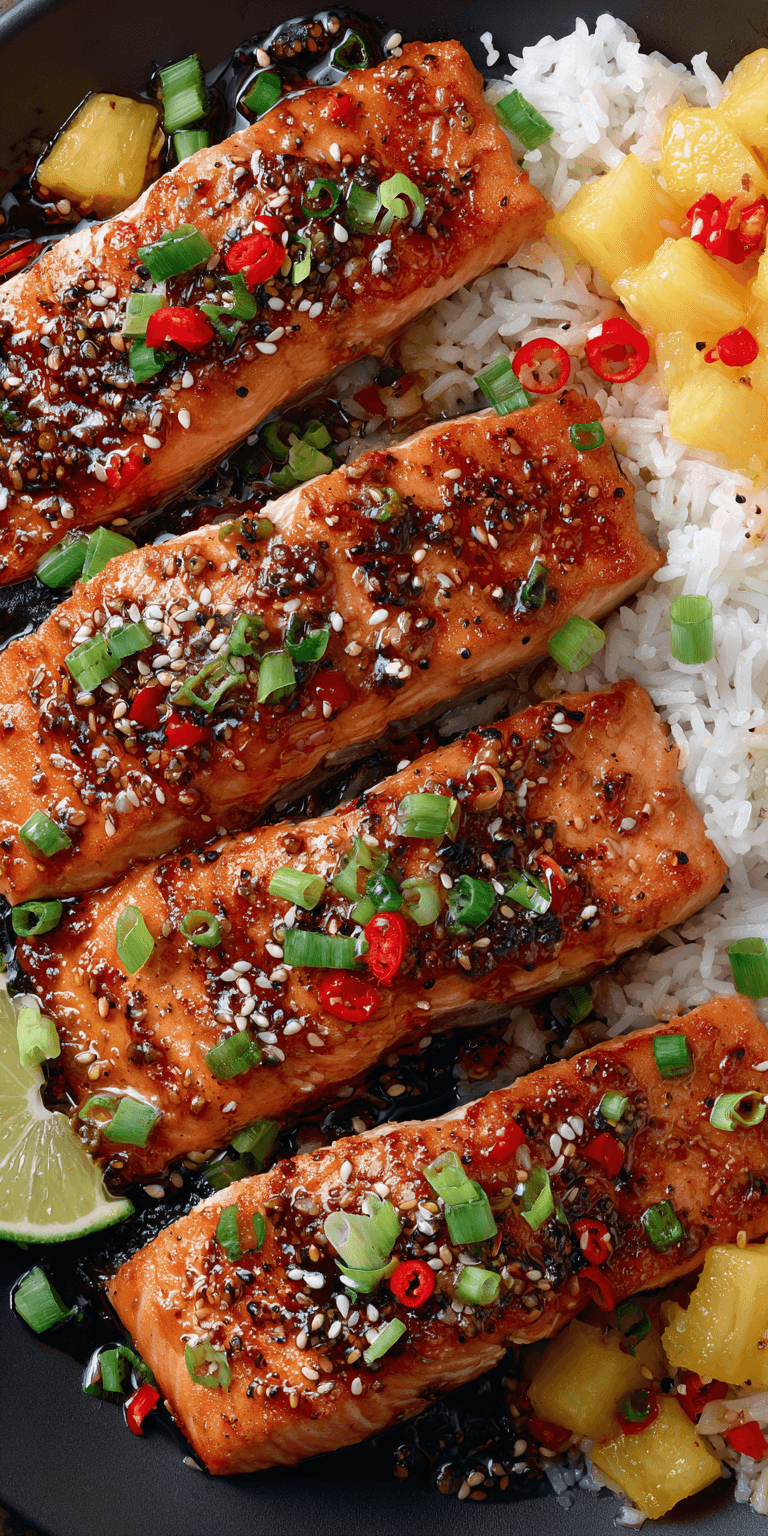

You’ve made teriyaki salmon before. I know you have.
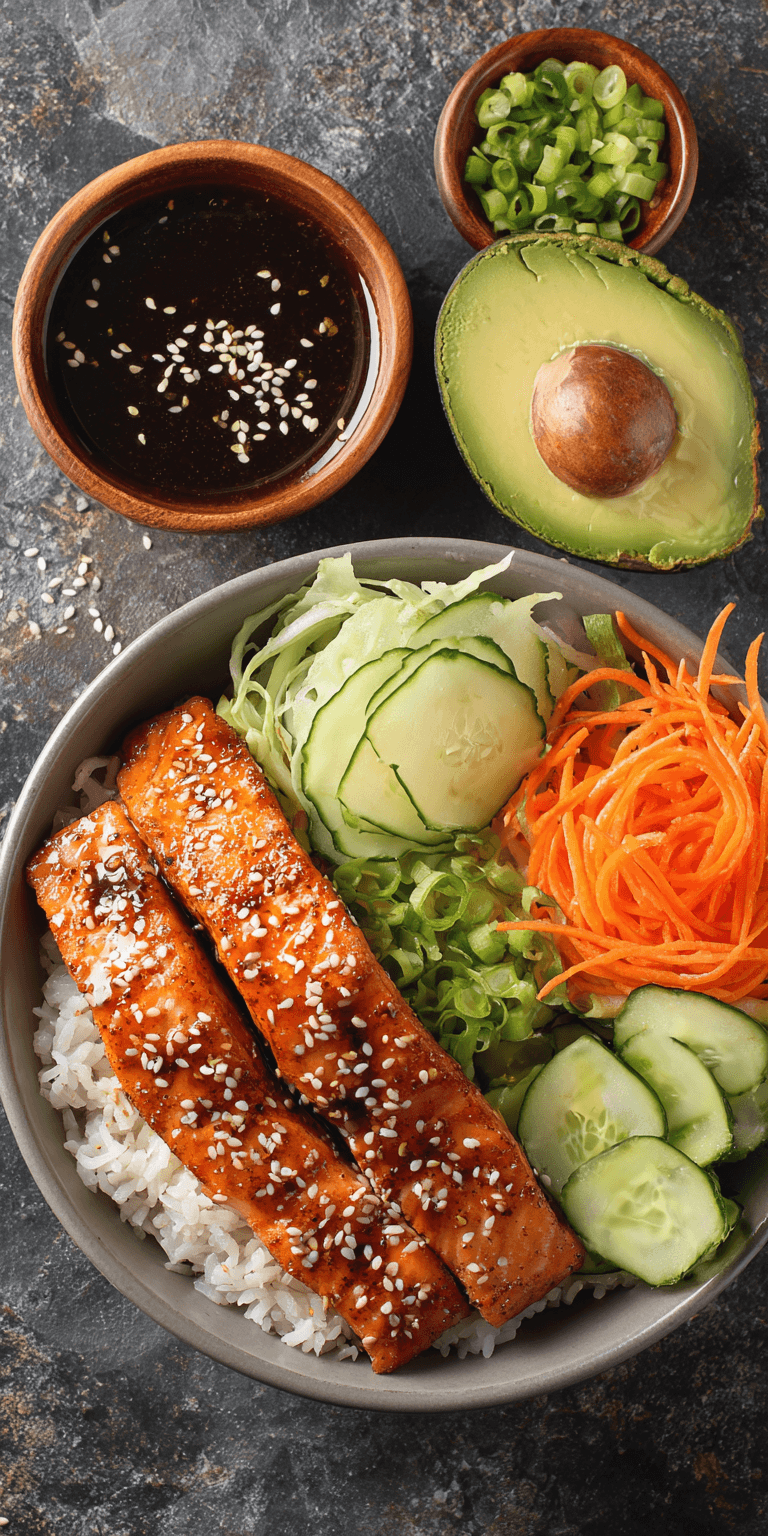
It’s good. But it’s never been this good. The secret to these Teriyaki Salmon Bowls with Avocado isn’t in the fish or the sauce you buy at the store.
It’s in a tiny, two-step trick I use on the salmon skin. This one move changes the entire texture of your bowl. Ready to find out what it is?
Recipe Overview
This is your blueprint for the best lunch bowl you’ll make all week. It’s built for flavor and built to last.
- Cuisine: Japanese-Inspired
- Category: Main Course, Meal Prep
- Prep Time: 15 minutes
- Cook Time: 15 minutes
- Total Time: 30 minutes
- Servings: 4
The Secret Ingredient That Makes All the Difference
It’s not an ingredient you add. It’s a technique you don’t skip.
The game-changer is a double-crisped salmon skin. Most recipes tell you to cook skin-on salmon skin-side down. They stop there.
Teriyaki Salmon Bowls with Avocado Recipe
The “Upgraded” Ingredient List
The Pro-Method (Step-by-Step)
Notes
Enjoy your homemade Teriyaki Salmon Bowls with Avocado Recipe!
I start it skin-side down to render the fat. Then, I flip it to sear the flesh. Finally, I flip it back to the skin for a second crisping. This makes the skin shatteringly crisp.
It stays crunchy even under the warm glaze and next to the avocado. This texture contrast is what makes a pro-level bowl.
Why This Method is Better (My Pro-Tips)
I’ve tested every way to cook salmon for bowls. This method gives you control.
Starting in a cold pan lets the fat render slowly. You get a perfectly flat, crispy piece of skin. Flipping it twice might feel wrong.
Trust me. It lets you get a perfect cook on the flesh without burning the skin. The second crisping re-solidifies the skin after the glaze hits it.
It’s the armor that keeps it crunchy. This is the insider move most home cooks miss.
The “Upgraded” Ingredient List
These are the only ingredients you need. Quality matters here, especially for the salmon and the soy sauce.
- 4 (6-oz) skin-on salmon fillets
- 2 tbsp neutral oil (like avocado oil)
- 1 tsp toasted sesame oil
- 1 large, just-ripe avocado
- 2 cups cooked sushi rice or jasmine rice
- 1 cucumber, thinly sliced
- 2 scallions, thinly sliced
- Toasted sesame seeds, for serving
- For the Homemade Teriyaki Glaze:
- 1/3 cup low-sodium soy sauce (or tamari)
- 3 tbsp mirin
- 2 tbsp sake or dry white wine
- 2 tbsp light brown sugar
- 1 tbsp honey
- 2 tsp fresh ginger, grated
- 1 small garlic clove, grated
- 2 tsp cornstarch mixed with 1 tbsp water
The Pro-Method (Step-by-Step)
Follow these steps in order. The timing is everything for that perfect crisp skin.
- Make the glaze first. In a small saucepan, mix the soy sauce, mirin, sake, brown sugar, honey, ginger, and garlic. Bring it to a simmer over medium heat.
- Let it simmer for 3 minutes. Stir in the cornstarch slurry. Cook for 1 more minute until it thickens slightly. Set it aside.
- Prep your salmon. Pat the fillets completely dry with paper towels. This is non-negotiable for crispy skin. Season the flesh side lightly with salt.
- Add the neutral oil to a large, cold non-stick or cast-iron skillet. Place the salmon fillets in, skin-side down. Now, turn the heat to medium-high.
- Cook for 6-7 minutes. You’ll see the fat rendering and the skin crisping. The key is to let it cook undisturbed until the flesh is mostly opaque up the sides.
- Carefully flip the fillets. Cook on the flesh side for just 2 minutes for medium doneness.
- The secret flip: Flip the salmon back onto the skin side. Cook for 1 final minute. This re-crisps the skin.
- Pour most of the teriyaki glaze over the salmon in the pan. Tilt the pan to coat the fillets. Let it bubble for 30 seconds to glaze the fish.
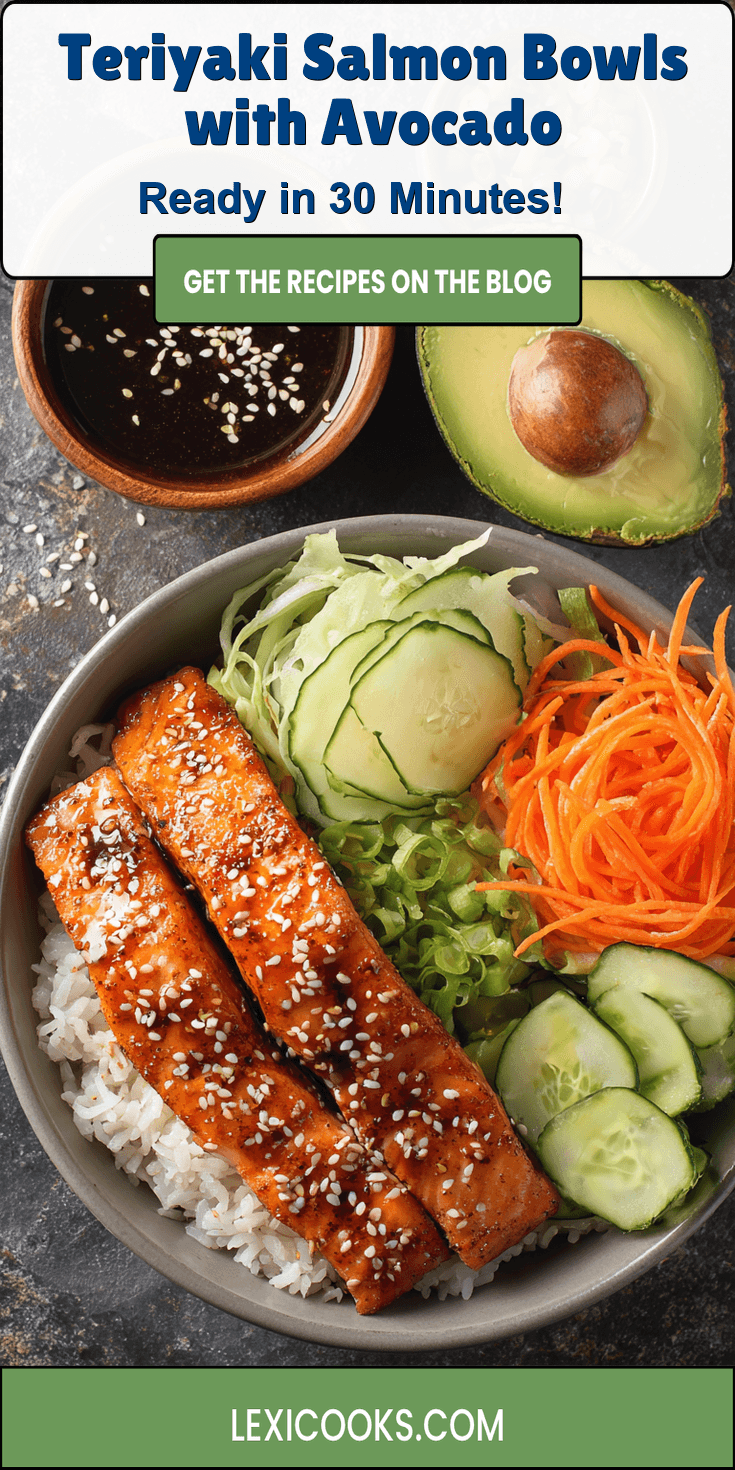
- Build your bowls. Divide the rice among four bowls. Top with the glazed salmon, sliced avocado, cucumber, and scallions.
- Drizzle with the remaining glaze and the teaspoon of toasted sesame oil. Finish with a heavy sprinkle of sesame seeds.
Common Mistakes & How to Fix Them
Even great cooks make these errors. Here’s how to avoid them.
Soggy Skin: This happens if you don’t pat the salmon dry, or if you add the glaze too early. Make sure the skin is crisp before any sauce touches it. The final flip after glazing is your safety net.
Chewy, Overcooked Salmon: This comes from cooking on too high a heat or for too long. Starting in a cold pan and using the timed flips gives you a perfect medium center. The salmon will keep cooking a bit after you take it off the heat.
Watery Glaze: If your sauce doesn’t coat the back of a spoon, you didn’t reduce it enough or your cornstarch slurry was old. Simmer it a minute longer, or add another half-teaspoon of cornstarch mixed with water.
Variations for the Adventurous Cook
Once you master the base, play with it. These are my favorite pro-swaps.
Swap the rice for a mix of cauliflower rice and quinoa for a lower-carb option. Just make sure to season it well.
Add a quick-pickled element. Thinly slice some radishes or red onion and soak them in rice vinegar with a pinch of sugar for 15 minutes. The acid cuts the richness.
For a different fat, replace the avocado with a dollop of wasabi-spiked Greek yogurt. It gives you that cool creaminess with a kick.
Nutrition Notes
This bowl is a powerhouse. Here’s a simple breakdown per serving.
- Calories: ~580
- Protein: 36g (Salmon is packed with omega-3s)
- Healthy Fats: 28g (From the salmon and avocado)
- Complex Carbs: 45g (From the rice)
- It’s a balanced meal with fiber, protein, and good fats to keep you full.
Your Pro-Level Questions Answered
These are the questions I get from cooks who want to level up.
Can I really make this for meal prep?
Absolutely. It’s one of my top healthy lunch prep recipes. Prep the components separately.
Store the glazed salmon, rice, and chopped veggies in their own containers. Keep the avocado whole and slice it fresh the day you eat it. The salmon skin will soften, but the flavor is still incredible.
My glaze always burns. What am I doing wrong?
You’re likely using too high heat or a pan that’s too thin. Use medium heat and a heavy-bottomed saucepan.
Also, make your glaze before you cook the salmon. A rushed glaze is a burnt glaze. Having it ready to go is the pro move.
What’s the best soy sauce substitute?
For a gluten-free option, use tamari. It’s richer and less salty than some soy sauces.
Coconut aminos are a good paleo-friendly swap, but they’re sweeter. You may want to reduce the honey in the glaze by half if you use them.
A Few Final Secrets
You now have the blueprint. But the real magic is in the details.
Use the best salmon you can find. It makes a noticeable difference. Let the salmon rest for a minute after glazing before you slice it.
This lets the juices settle. Finally, that drizzle of toasted sesame oil at the end isn’t optional. It’s the aromatic finish that ties the whole bowl together.
Now that you have the secret, go try it. I want to hear about that first bite of double-crisped skin. Did it change the game for you? Let me know in the comments below and give this recipe a rating if you loved it!