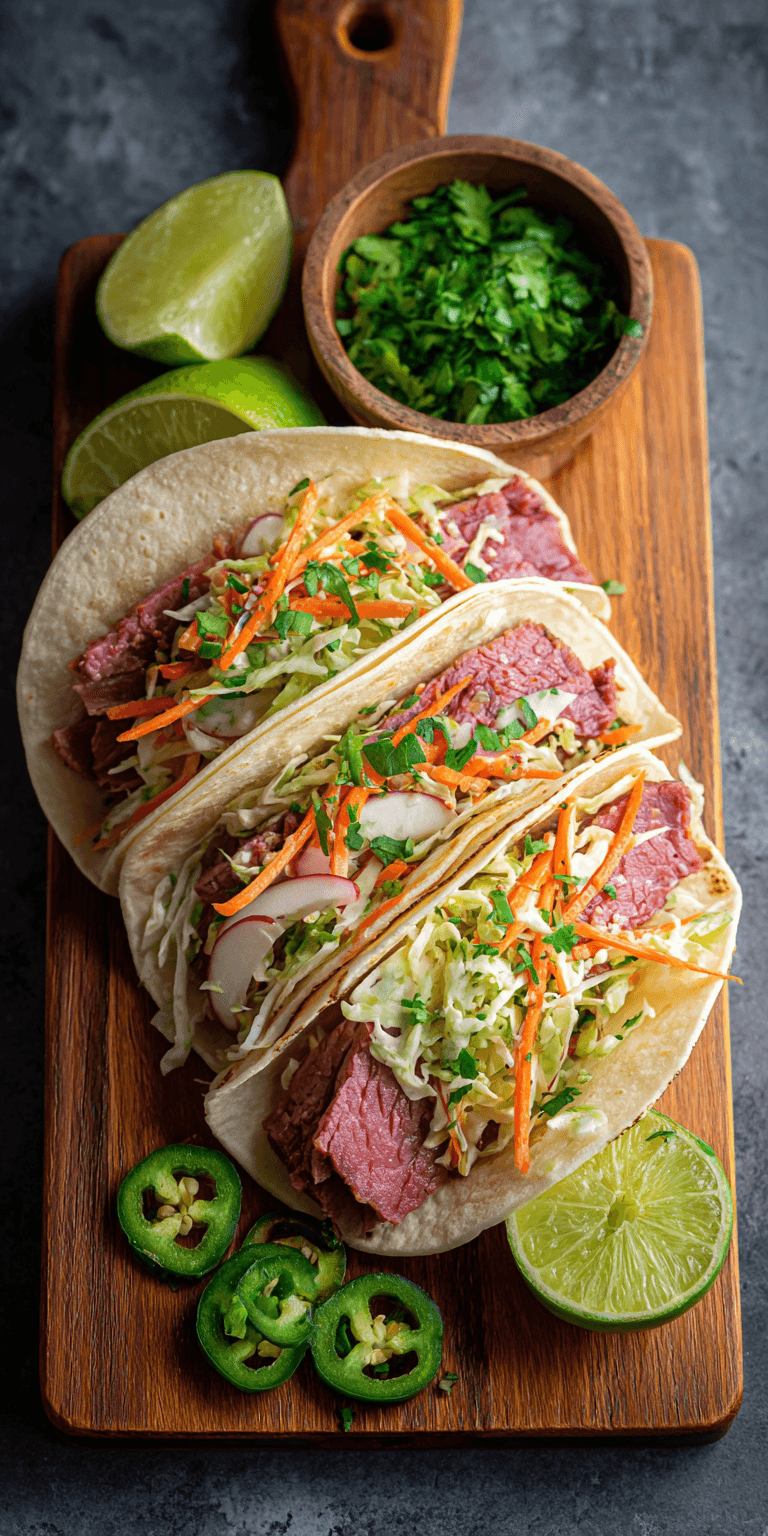


You think you know how to make a classic Crawfish Etouffee Cajun Seafood. You’ve followed the recipes, you’ve got your holy trinity chopped. But I’m here to tell you, there’s a single, silent ingredient that separates a good étouffée from a legendary one. It’s not more spice. It’s not more butter. Ready to find out what it is?
This secret is what turns a simple stew into a complex, velvety masterpiece. It’s the difference between a dish that’s merely tasty and one that has soul. I’ve guarded this trick for years, but today, I’m handing it over to you.
We’re going to build this iconic rice dish from the ground up. We’ll talk technique, pitfalls, and pro-level variations. By the end, you’ll have the confidence to make the best étouffée of your life. Let’s get started.
Recipe Overview
This is your roadmap to perfection. Here’s what you’re signing up for.
- Cuisine: Cajun/Creole
- Category: Main Course
- Prep Time: 20 minutes
- Cook Time: 35 minutes
- Total Time: 55 minutes
- Servings: 4-6
The Secret Ingredient That Makes All the Difference
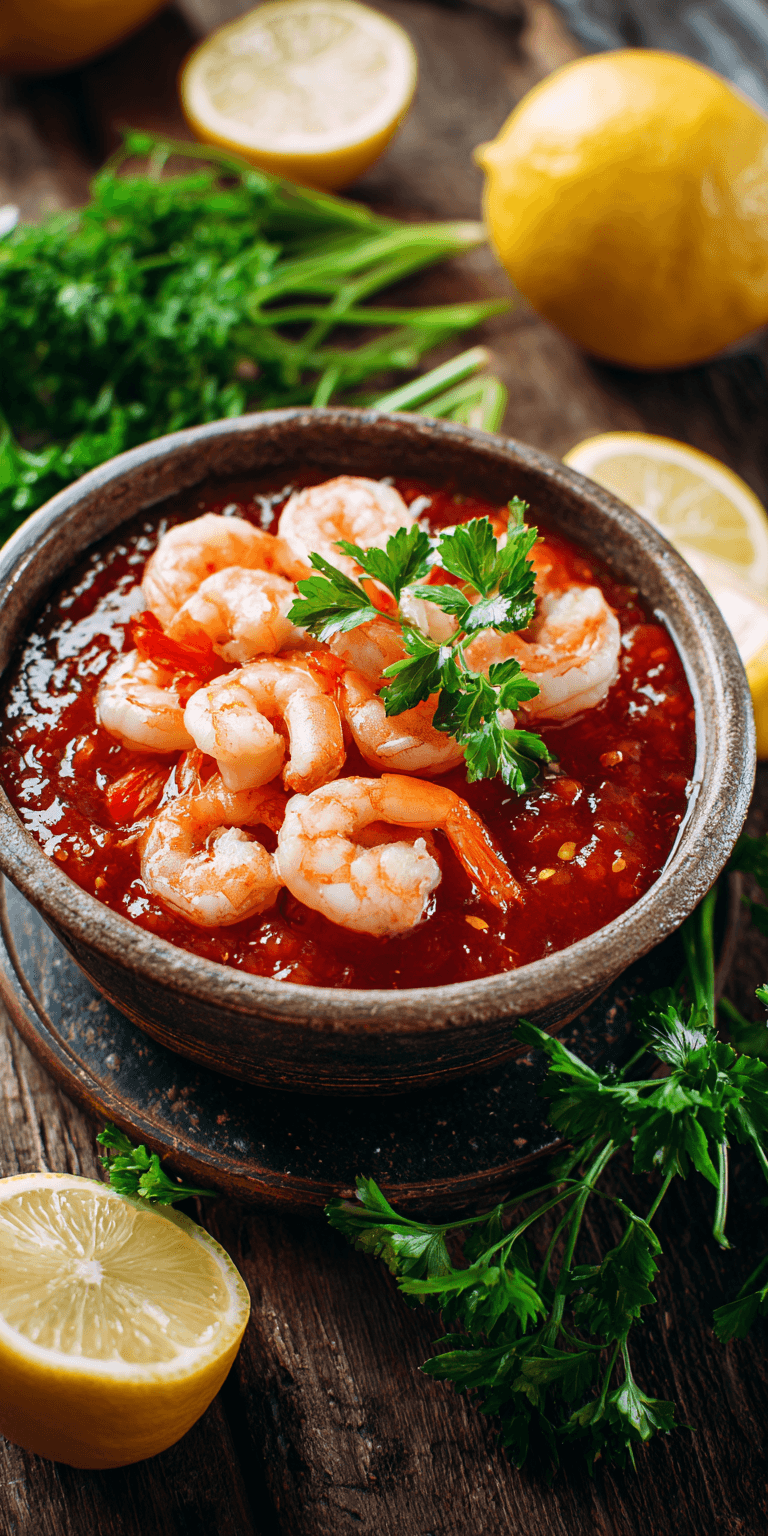
I’ve hinted at it. Now, here it is: shrimp stock. Not water. Not chicken broth. Homemade or high-quality store-bought shrimp stock.
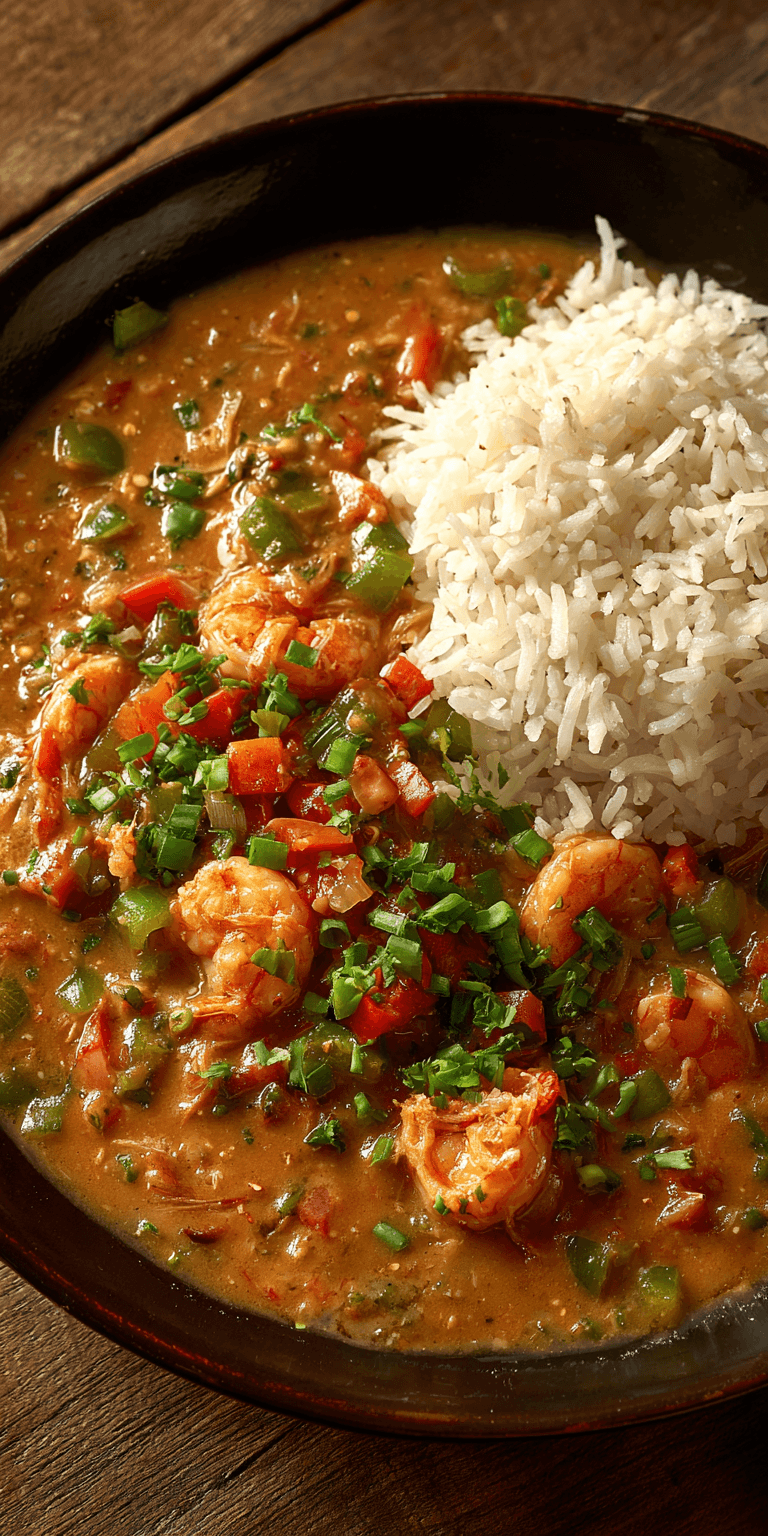
Crawfish Etouffee Cajun Seafood Recipe
The “Upgraded” Ingredient List
The Pro-Method (Step-by-Step)
Notes
Enjoy your homemade Crawfish Etouffee Cajun Seafood Recipe!
Why does this work? Crawfish tails are delicate. Their flavor is sweet but can be easily overwhelmed. Shrimp stock amplifies that oceanic sweetness without competing. It creates a deeply layered seafood foundation that water simply cannot. It’s the essence of the Gulf in a spoon.
This one swap moves your dish from a generic stew into the realm of authentic, restaurant-quality Cajun food. It’s non-negotiable for the advanced cook.
Why This Method is Better (My Pro-Tips)
My method focuses on building and preserving flavor at every stage. It’s about control.
First, we make a dark roux. Not blond, not peanut butter. We take it to a deep copper color. This adds a nutty, toasty base that stands up to the rich stock. Second, we sweat the trinity in the roux until it’s utterly soft, almost melting.
Finally, and this is critical, we add the crawfish tails at the absolute last moment. They only need to heat through. Overcooking them turns them rubbery. We’re stewing the sauce, not the seafood.
The “Upgraded” Ingredient List
Quality in, quality out. This is where you invest.
- 1/2 cup unsalted butter
- 1/2 cup all-purpose flour
- 1 1/2 cups each, finely diced: onion, green bell pepper, celery (the holy trinity)
- 4 cloves garlic, minced
- 2-3 cups shrimp stock (homemade preferred)
- 1 lb peeled crawfish tails, with their fat
- 2 tbsp tomato paste
- 1-2 tbsp Creole seasoning (like Tony Chachere’s or homemade)
- 2 bay leaves
- 1 tsp Worcestershire sauce
- 1/2 tsp cayenne pepper (or to taste)
- To taste: Kosher salt and freshly ground black pepper
- For serving: Cooked long-grain white rice, sliced green onions, hot sauce
The Pro-Method (Step-by-Step)
Follow these steps precisely. This is where the magic happens.
- Make the Dark Roux: Melt butter in a heavy Dutch oven over medium heat. Whisk in flour. Cook, stirring constantly with a flat-edged wooden spoon, for 15-20 minutes until it reaches a deep copper-brown. This requires patience. Do not walk away.
- Sweat the Trinity: Immediately add the onion, bell pepper, and celery. The roux will sizzle. Cook, stirring, for 10-12 minutes until the vegetables are very soft and translucent. Add garlic and tomato paste; cook for 1 more minute.
- Build the Stew Base: Slowly whisk in 2 cups of shrimp stock until smooth. Add Creole seasoning, bay leaves, Worcestershire, and cayenne. Bring to a simmer, then reduce heat to low. Cook uncovered for 20 minutes, stirring occasionally. The sauce should thicken nicely. Add more stock if it gets too thick.
- Finish with Seafood: Taste and adjust salt and pepper. Discard bay leaves. Gently fold in the crawfish tails and all their precious fat. Cook for just 3-4 minutes, until the tails are heated through. Do not boil.
- Serve Immediately: Spoon the hot étouffée over fluffy white rice. Garnish with sliced green onions. Offer hot sauce on the side for those who want extra fire.
Common Mistakes & How to Fix Them
Even pros make errors. Here’s how to avoid or correct them.
Mistake 1: A Burnt Roux. If you see black specks or smell burning, it’s too late. You must discard it and start over. The key is constant stirring and medium heat—no shortcuts.
Mistake 2: Overcooked Crawfish. If your tails are tough, you cooked them too long. Next time, add them literally at the end, just to warm. For now, you can’t undo it, but serve it anyway—the flavor will still be great.
Mistake 3: A Thin Sauce. If your stew is runny, make a slurry. Mix 1 tbsp each of soft butter and flour. Whisk small bits into the simmering stew until it tightens up. This avoids lumps better than a cornstarch slurry.
Variations for the Adventurous Cook
Mastered the base? Now, play. Here are some elite swaps.
Swap crawfish for lump crab meat. Add it even more delicately at the end. For a richer, Creole-style dish, add a 14.5-oz can of diced tomatoes with the stock. Want more surf? Add peeled shrimp in the last 5 minutes of cooking.
For a truly decadent finish, mount the sauce with a tablespoon of cold butter off the heat, swirling until it melts into a glossy sheen. This is a classic French technique that adds incredible richness.
Nutrition Notes
This is a celebratory dish, rich and satisfying. Here’s a general breakdown per serving (with rice).
- Calories: ~450-550
- Protein: 25-30g (Excellent source from seafood)
- Carbohydrates: 35-40g (Primarily from the roux and rice)
- Fat: 20-25g
- Key Note: The roux and butter provide the fat, which carries the flavor. For a lighter version, you can reduce the butter by 2 tbsp, but know it will impact the classic texture.
Your Pro-Level Questions Answered
Let’s tackle the advanced queries I get all the time.
Can I make this with frozen crawfish tails?
Absolutely. In fact, high-quality frozen Louisiana crawfish tails are often better than “fresh” ones that have been thawed at the store. Thaw them slowly in the fridge overnight and use every drop of the fat in the package. That fat is pure gold.
What’s the real difference between Cajun and Creole étouffée?
This is a great debate. Cajun versions typically use no tomatoes, relying on the roux for color and flavor. Creole versions often include tomatoes. My recipe is Cajun at its core, but adding tomatoes (as suggested in variations) easily crosses the line. Both are delicious.
How do I store and reheat leftovers?
Store the stew and rice separately. The étouffée will keep for 3 days in the fridge. Reheat it gently in a saucepan over low heat with a tiny splash of stock or water. Never microwave it on high, as this will absolutely overcook the seafood.
A Few Final Secrets
You now have the blueprint. But the real secret is confidence. Trust your roux. Respect the stock. Handle the crawfish with care.
This dish is about building layers in the pot and sharing joy at the table. It’s meant to be served family-style, with plenty of rice and good company. The final, unspoken ingredient is always the people you share it with.
Now that you have the secret, go try it! I want to hear from you. Did the shrimp stock change the game for you? What variations did you try? Let me know if this was the breakthrough in the comments below—and don’t forget to rate this article if it leveled up your cooking!